Florida Storm Flooding: What to Do Before, During, and After
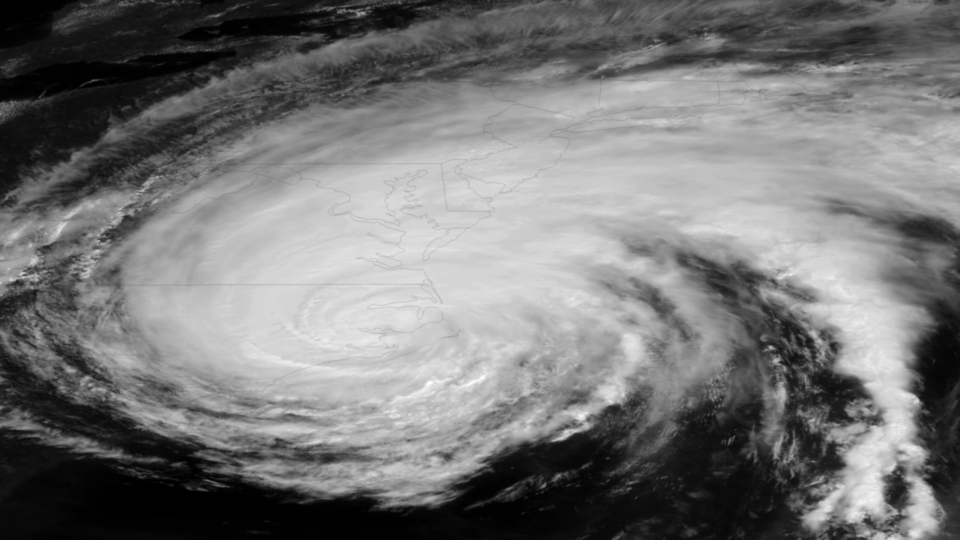
A Gulf storm is brewing. Here is the exact playbook Florida homeowners should follow in the days before it arrives - and the critical 48 hours after the water recedes.
The situation as of October 6, 2026
Forecasters are watching a developing system in the central Gulf of Mexico. Current scenarios include it organizing into Tropical Storm Isaias and making landfall along the Mississippi, Alabama, or northwest Florida coast - or a slower, weaker system that parks over the region and dumps 10 to 12 inches of rain from Friday, October 9 through Sunday, October 11. The Florida Panhandle is the most exposed part of the state in either scenario.
Forecasts shift fast, so check the National Hurricane Center for the latest track. Whatever the final landfall point, the guidance below applies to any Florida home facing heavy rain and flooding this week.
Before the storm: 8 things to do now
- Photograph every room - a full walkthrough video plus photos of floors, walls, and valuables gives your insurer an indisputable "before" baseline.
- Move valuables to high ground - electronics, documents, rugs, and anything irreplaceable goes upstairs or onto tables and counters.
- Know your shutoffs - locate your main water valve and breaker panel now, not with water at your ankles.
- Clear gutters and storm drains near your home so rainwater has somewhere to go.
- Sandbag low entry points - doorways, garage doors, and ground-level vents if you are in a low-lying area.
- Charge everything and fuel up - phones, power banks, and your car. Fill a bathtub with non-drinking water for flushing and cleaning.
- Know your evacuation zone and keep your insurer's claims number saved in your phone.
- Confirm your coverage today - most standard Florida homeowners policies exclude floodwater. If you have a separate flood policy, know the claim number and deductible.
During flooding: safety comes first
- Never walk or drive through floodwater. Six inches of moving water can knock an adult down; twelve inches can move a car. Turn around, don't drown.
- Kill power to flooded areas at the breaker - and never touch electrical equipment while standing in water.
- Do not drink tap water until local authorities confirm it is safe. Floodwater can carry sewage, chemicals, and debris.
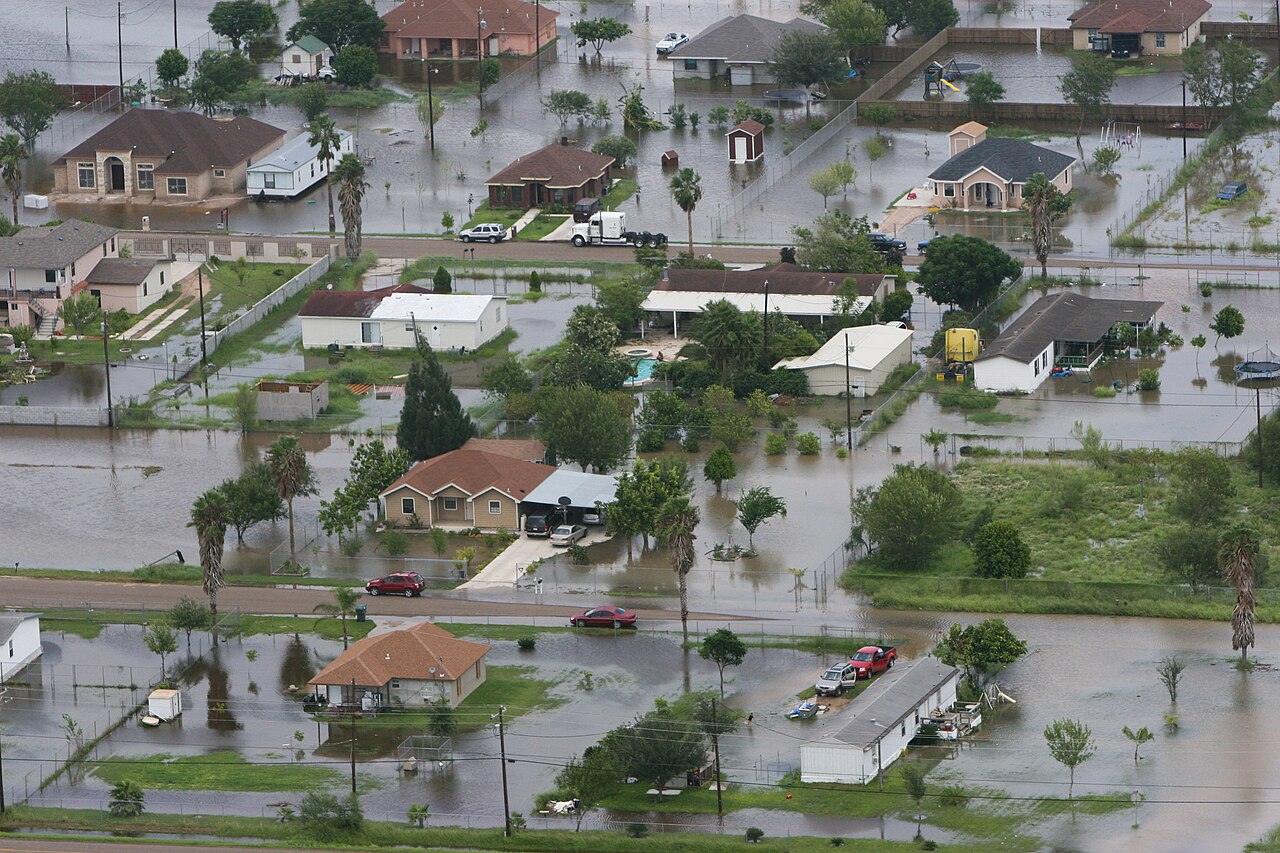
After the water recedes: the critical first 48 hours
Document everything
Photograph and video all damage before you move or clean anything: water lines on walls, soaked floors and furniture, the exterior. This is your insurance evidence.
Start your claim immediately
Call your insurer (and your flood-policy carrier, if separate) on day one. Claims filed early get adjusters assigned faster.
Get the water out fast
Pump or wet-vac standing water, then pull up soaked carpet and padding. Professionals use truck-mounted extractors that remove in hours what a shop-vac takes days to do.
Dry aggressively
Open windows if humidity allows, run fans and dehumidifiers nonstop, and remove baseboards so wall cavities can breathe. Drywall that stayed wet should be cut out 12 to 24 inches above the water line.
Call a pro if you can't finish in 48 hours
Mold starts within 24 to 48 hours in Florida. If you cannot get everything bone-dry in that window, professional structural drying is not optional - it is the difference between a cleanup and a mold job.
Why speed matters: the cost of waiting
A fast extraction and dry-out is typically a low-four-figure job. Wait a week, and trapped moisture turns into mold inside walls, ruined drywall and insulation, and warped subfloors - easily a five-figure remediation and rebuild. In Florida's climate, time is literally the most expensive part of water damage.
The storm will pass. The damage it leaves behind does not fix itself - but a fast, documented response keeps a bad week from becoming a bad year.
Need Help You Can Verify? Call Skyfold.
Licensed & insured. IICRC-certified technicians. Written scopes, photo documentation, and direct insurance billing on every job , before any work starts.
☎ Call (833) 606-6010 Free Inspection • 24/7 Dispatch • We Bill Insurance Directly