Serving All of Florida – 24/7 Emergency Line[email protected](833) 606-6010
Skyfold Restoration FL
Gulf Coast Central coverage

Water Damage Restoration in Gulf Coast Central

Sarasota, Bradenton and surrounding Central Gulf Coast communities. Browse 16 city pages below, each with its ZIP-code coverage for water damage restoration and emergency water-loss response.

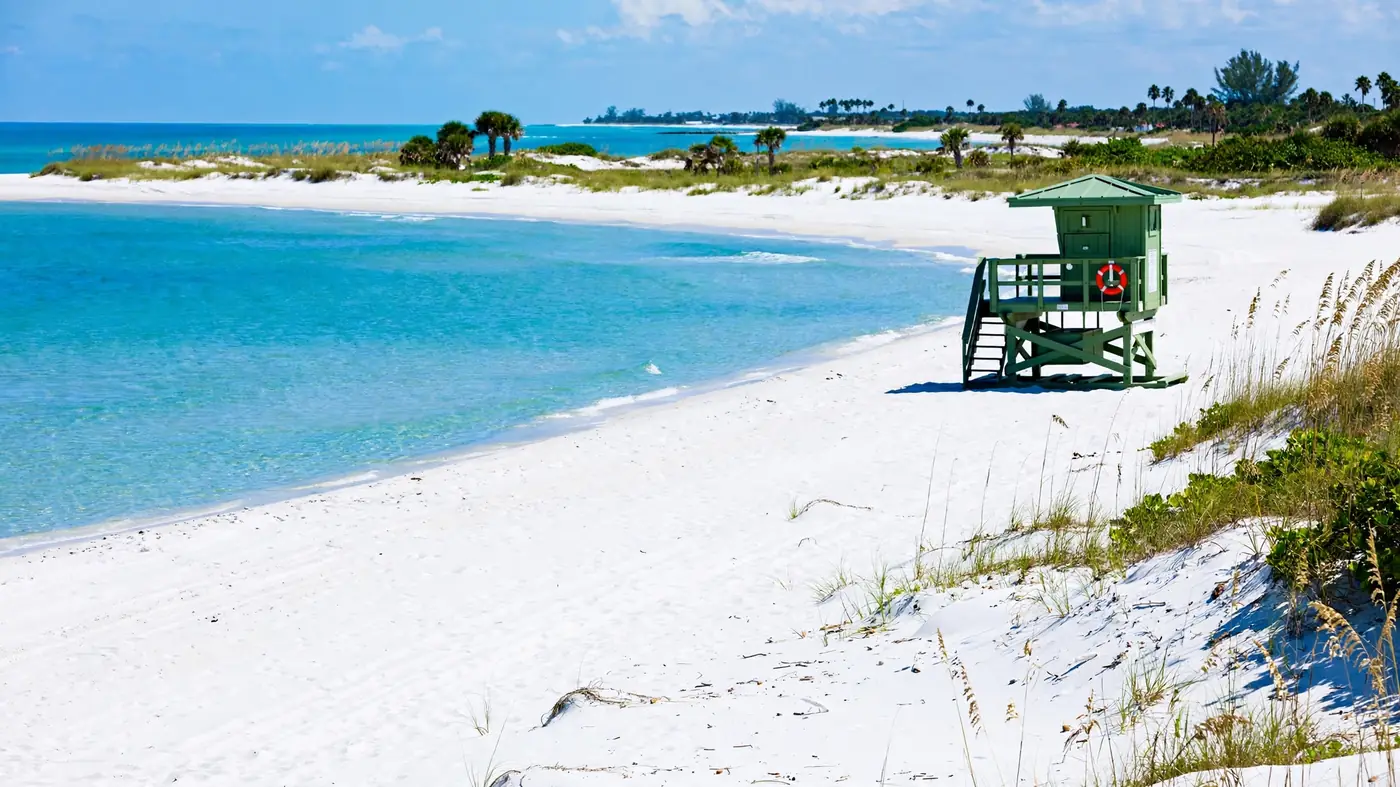
Siesta Key beach with white sand and turquoise water
Coverage

Why ZIP Codes Matter

Each city page lists the ZIP codes served so property owners can confirm coverage before calling. For active water damage, call (833) 606-6010 any time.

Regional guide

Water Damage Restoration in Gulf Coast Central

Skyfold Restoration provides 24/7 water damage restoration across Gulf Coast Central, including Sarasota, Bradenton, Venice, Port Charlotte and Englewood. From emergency water extraction to structural drying and insurance documentation, one team handles the loss start to finish.

Common causes of water damage in Gulf Coast Central

Water damage restoration in Gulf Coast Central tracks the storm calendar: summer tropical systems push surge into Sarasota Bay and Charlotte Harbor, while winter cold snaps burst pipes in older Bradenton and Venice homes. Beachfront condos battle constant salt-air corrosion on plumbing and rooftop equipment.

Seasonal rental properties that change tenants weekly see more appliance and water-heater failures than owner-occupied homes, often found late.

Our water damage restoration process

Every Gulf Coast Central water damage job follows the same disciplined process. First we find and stop the water source, then extract standing water with truck-mounted and portable equipment. Next comes structural drying: air movers and dehumidifiers run for days while we track moisture readings in walls, floors and framing. Anything that cannot be saved, like swollen drywall or soaked insulation, is removed cleanly. Finally we verify every affected area reads dry on instruments before equipment leaves, and you get photo documentation suitable for an insurance claim.

Why property owners in Gulf Coast Central call Skyfold

Speed matters most in the first hours, so our phones are answered around the clock and crews are dispatched for active flooding any time of day or night. We document moisture readings and take photos throughout the job, which is exactly what insurance adjusters ask for. And we are straightforward about what is wet, what can be dried and what must go, so you are never paying to dry material that should have been removed.

Frequently asked questions

How fast can you respond to water damage in Gulf Coast Central?

We operate 24/7 across Gulf Coast Central. For active flooding, call (833) 606-6010 right away and we dispatch as fast as conditions allow. Stopping the water source first, shutting the main valve if it is safe, limits how much extraction and drying your property will need.

What does water damage restoration cost in Gulf Coast Central?

Cost depends on how much water there is, what it touched and how long it sat. A clean-water extraction and dry-out of one room costs far less than a multi-room sewage backup with drywall removal. We document everything with photos and moisture readings so you have clear records for insurance.

Will my homeowners insurance cover water damage in Florida?

Sudden and accidental water damage, like a burst pipe or appliance failure, is commonly covered, while gradual leaks and floodwater from outside usually need separate flood insurance. Our insurance documentation service gives your adjuster the photos, readings and reports claims need.

How long does structural drying take?

Most residential dry-outs take three to five days of monitored drying, longer for saturated framing or multi-story losses. We verify dryness with instruments rather than guessing, because damp framing left behind becomes a mold problem in Florida humidity.

Do you handle mold found during water damage restoration?

Yes. Mold after a water leak is common in Florida, and our process includes containment, removal of affected material and drying the area so it does not return. If mold has spread beyond the water-damaged area, we scope that separately and honestly.

Dealing with water damage in Gulf Coast Central right now? Call (833) 606-6010 for 24/7 help, or send a request online.

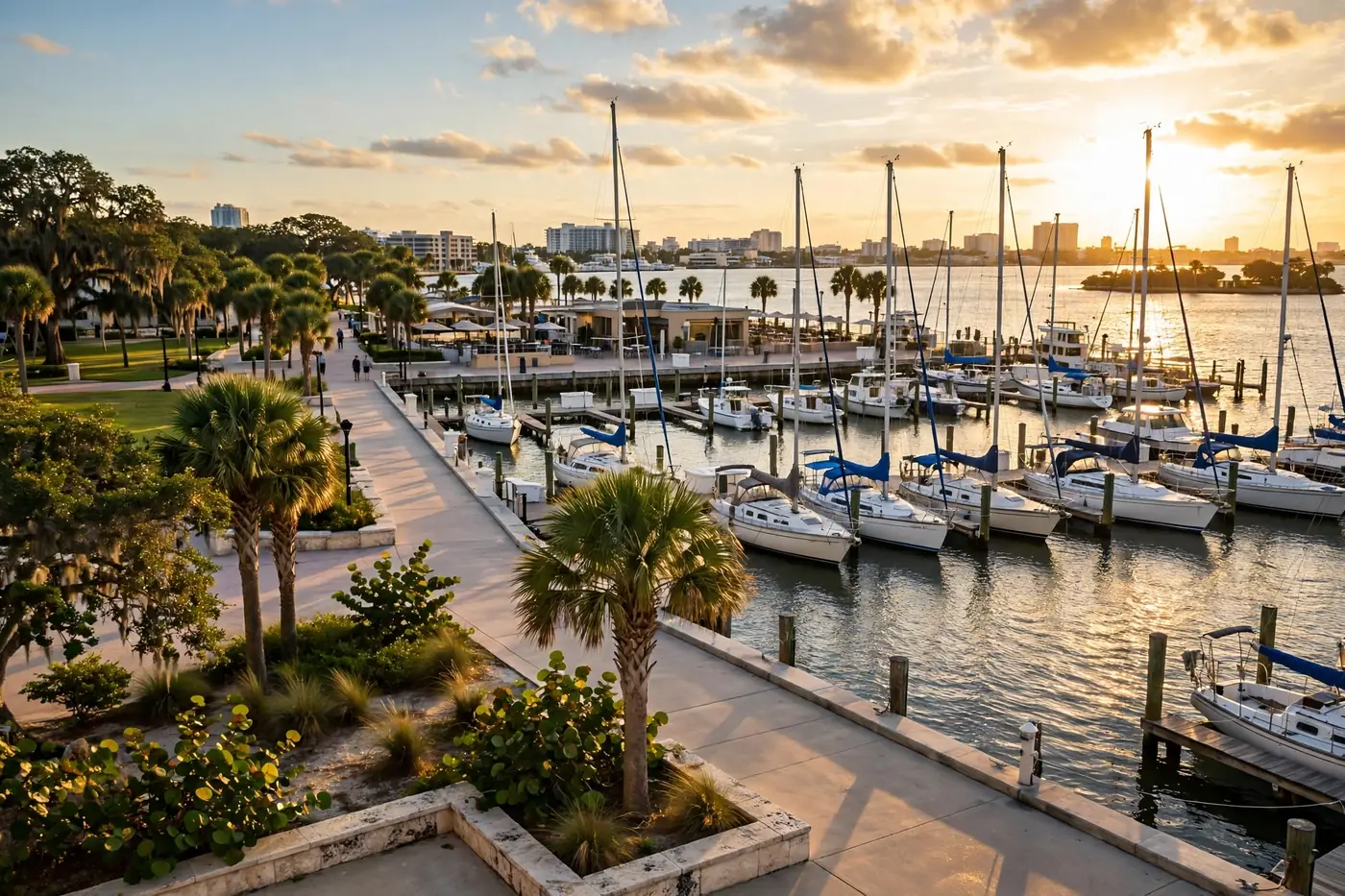
Sarasota bayfront marina with sailboats at golden hour
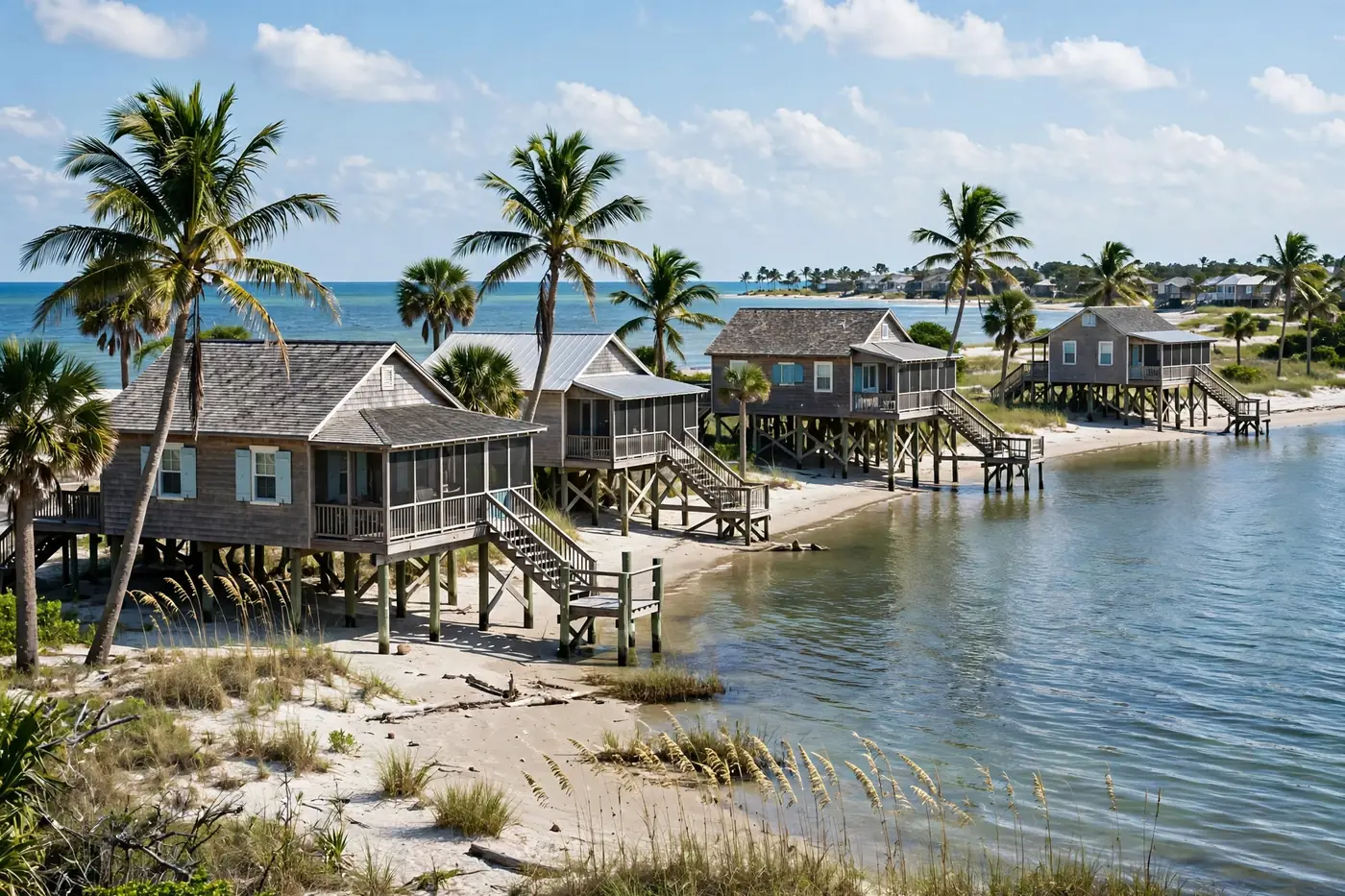
Gulf coast stilt beach houses with palm trees

WATER DAMAGE BASICS

Water Damage Categories 1, 2, 3: What They Mean for Your Gulf Coast Central Property

Ask what category the water is. That single question tells you a lot about what happens next at a Gulf Coast Central home or business.

Category 1 means clean water, typically from a failed supply line or an overflowing sink, with minimal health risk at the start. Category 2 means gray water with moderate contamination: think a dishwasher discharge line or water that has passed through building cavities. Category 3 means black water, which includes sewage and any floodwater that crossed the ground outside. Pathogens and chemicals are assumed present, so protective equipment and disposal rules are strict.

In Florida, clean water rarely stays clean for long. Warmth and humidity push Category 1 toward Category 2 within 24 to 48 hours, which is one reason fast extraction matters so much. The category also determines whether materials dry in place or get removed, and it becomes part of the documentation your insurer sees. Getting this classification right is the foundation of safe professional drying and mold prevention.

DRYING TECHNOLOGY

Restoration Equipment Used in Gulf Coast Central Water Damage Jobs

Professional drying is not a matter of pointing a few fans at a wet wall. The equipment used on Gulf Coast Central water damage jobs is built to find hidden moisture and remove it in a controlled way.

Truck-mounted or portable extractors pull standing water first. Then high-velocity air movers push dry air across wet surfaces while low-grain refrigerant (LGR) dehumidifiers pull the moisture out of the air. Moisture meters and thermal imaging cameras locate water hiding behind walls, under flooring, and inside cabinets, places the eye cannot check. HEPA air scrubbers filter airborne particles during demolition and drying.

This equipment matters because guesswork causes callbacks. Daily moisture readings tell the crew when each material has reached its drying goal, and only then does the equipment come out. Ask any contractor what meters and readings they use: the answer reveals whether the job is being measured or merely hoped dry.

PROJECT TIMELINES

How Long Does Water Damage Restoration Take in Gulf Coast Central?

Nobody wants an open-ended project, so here is what Gulf Coast Central homeowners usually see. Day one brings inspection, water extraction, and equipment placement. Then the drying phase runs, typically three to five days, with daily moisture checks.

After the structure tests dry, repairs begin. Small jobs, a section of drywall, a room of flooring, can finish within a week. Whole-area losses with cabinetry, multiple rooms, or contaminated water often run one to three weeks for reconstruction. Permits, material availability, and adjuster approvals can extend either phase.

The biggest schedule killer is delay at the start. In Florida humidity, mold can begin within 24 to 48 hours, and a job that starts late often grows: more demolition, more treatment, more cost. Fast response does not just save belongings; it shortens the whole project. Get the timeline in writing, broken into drying and rebuild phases, before work begins.

INSURANCE GUIDE

Will Insurance Cover Water Damage in Gulf Coast Central?

Will your policy pay? For Gulf Coast Central homeowners, the answer turns on one question: where did the water come from?

Sudden and accidental losses are generally covered under an HO-3 policy: burst pipes, failed water heaters, washing machine overflows, and wind-driven rain through storm damage. Flood is the big exclusion: water rising from the ground, storm surge, and heavy-rain flooding require separate flood insurance. Slow leaks, wear and tear, and poor maintenance are excluded as well, no matter the policy.

Strong claims are built on documentation. Photograph every affected room before anything is moved, note when the loss was discovered, keep every receipt, and save moisture and drying records from the restoration crew. Report the claim promptly; Florida policies have reporting deadlines. If the paperwork feels overwhelming, our insurance claims assistance page explains how to assemble an adjuster-ready file.

PREVENTION

Preventing Future Water Damage in Gulf Coast Central

Prevention is cheaper than restoration, and in Gulf Coast Central the highest-value steps are Florida-specific.

Hurricane season runs June through November, so pre-season roof inspections, secured outdoor items, and trimmed trees pay off every year. Year-round, your air conditioner is the appliance most likely to leak: flush the condensate line, inspect the drain pan, and watch for water stains on ceilings below the air handler. A water heater older than ten years deserves a replacement plan before it fails, and a leak detector with an automatic shutoff valve can stop a supply-line break while you are away.

Humidity control is the quiet part of prevention. Florida air stays damp, and indoor humidity above 60 percent lets mold grow without any visible leak. Run the AC consistently, use exhaust fans in bathrooms, and fix grading or gutter issues that push rainwater toward the slab. These same steps protect homes across the area, including nearby Anna Maria.