What to Do When You Find Water Damage
Step-by-step actions for the first minutes after discovery.
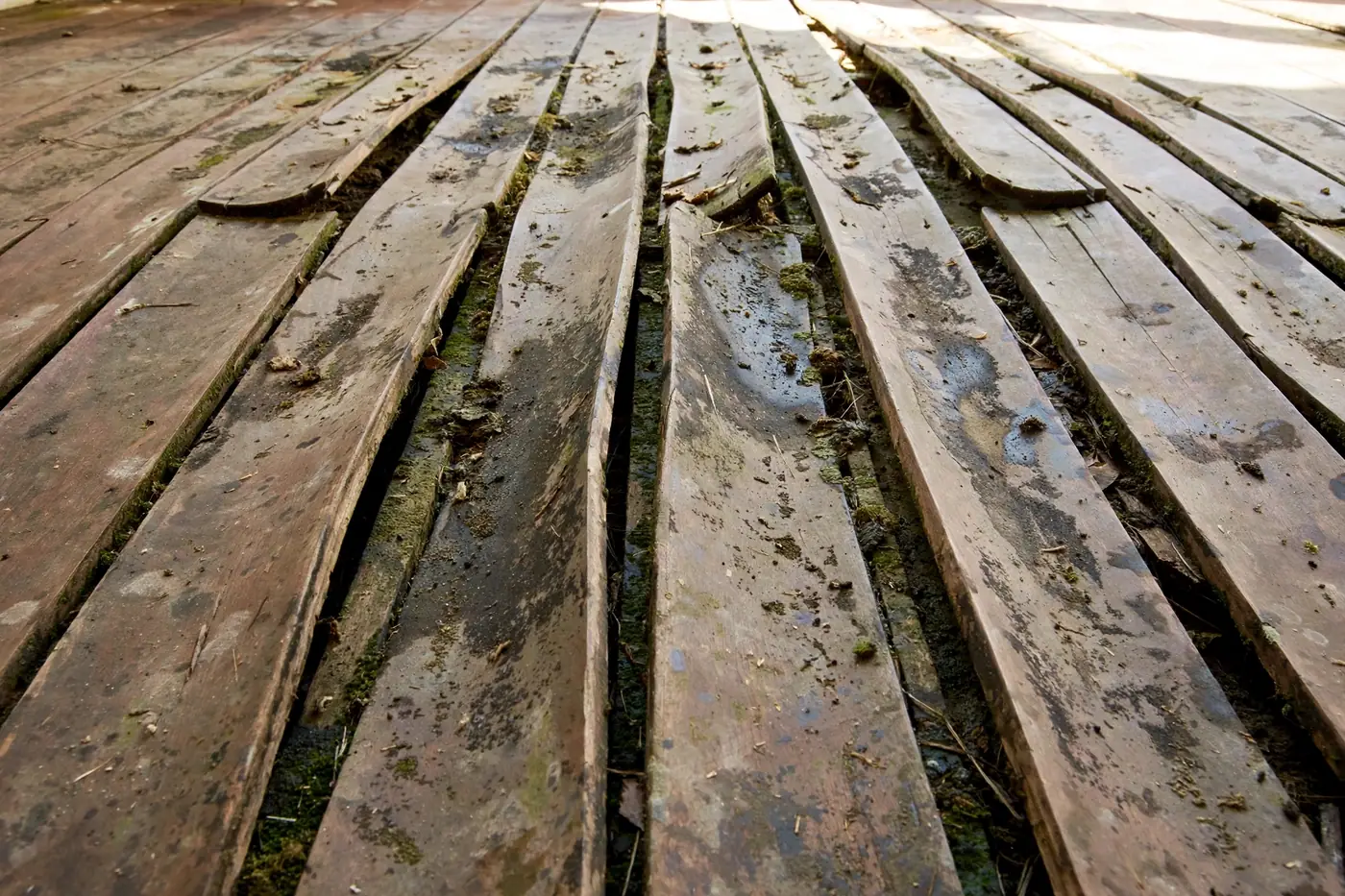
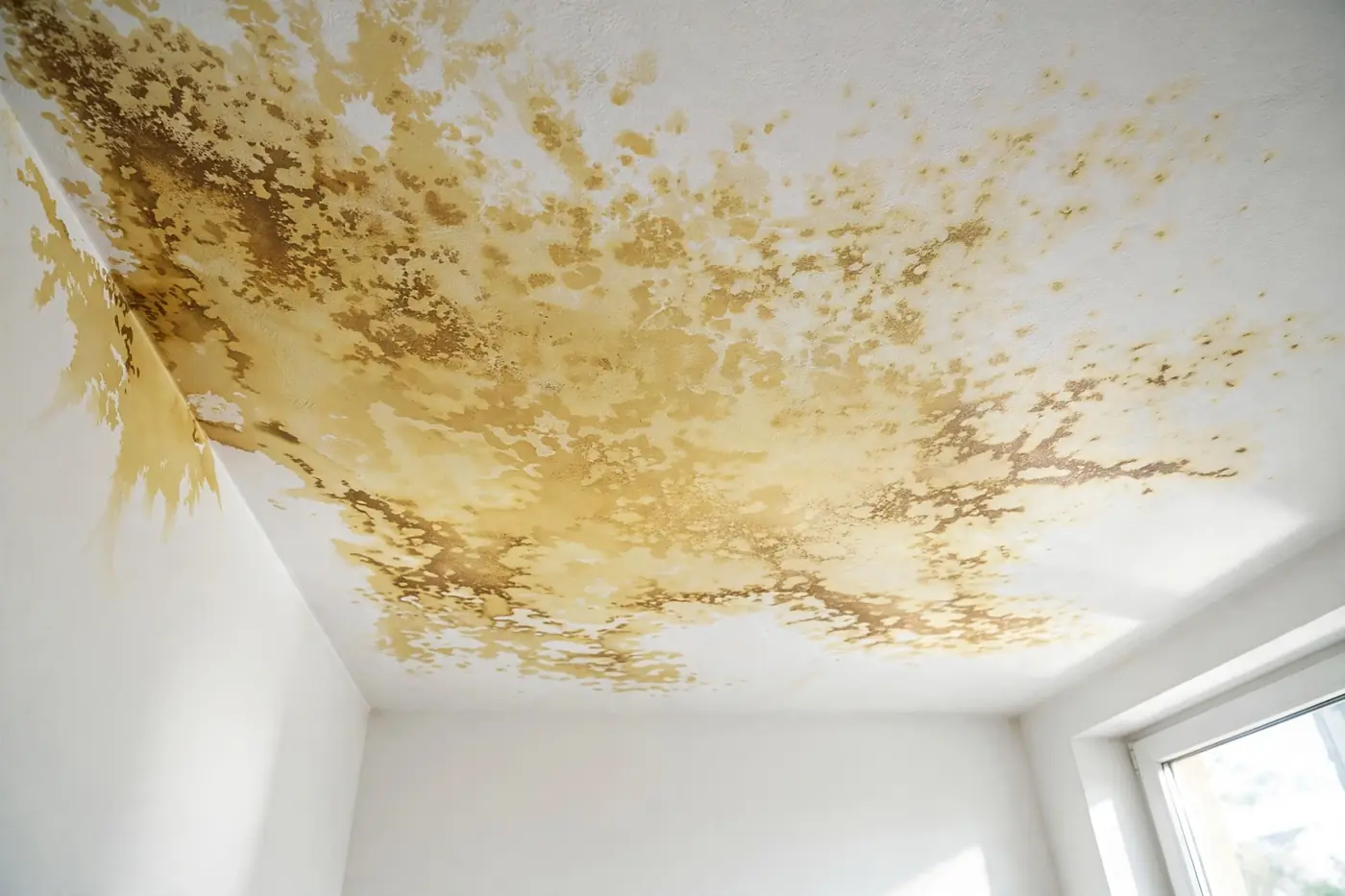
Water damage rarely announces itself with a dramatic flood. In Florida homes, it usually starts quietly: a faint stain on the ceiling, a musty smell in a closet, a floorboard that feels slightly soft underfoot. Learning to read these early signs can save you from major repairs, because the sooner water intrusion is found, the simpler the water damage restoration process tends to be.
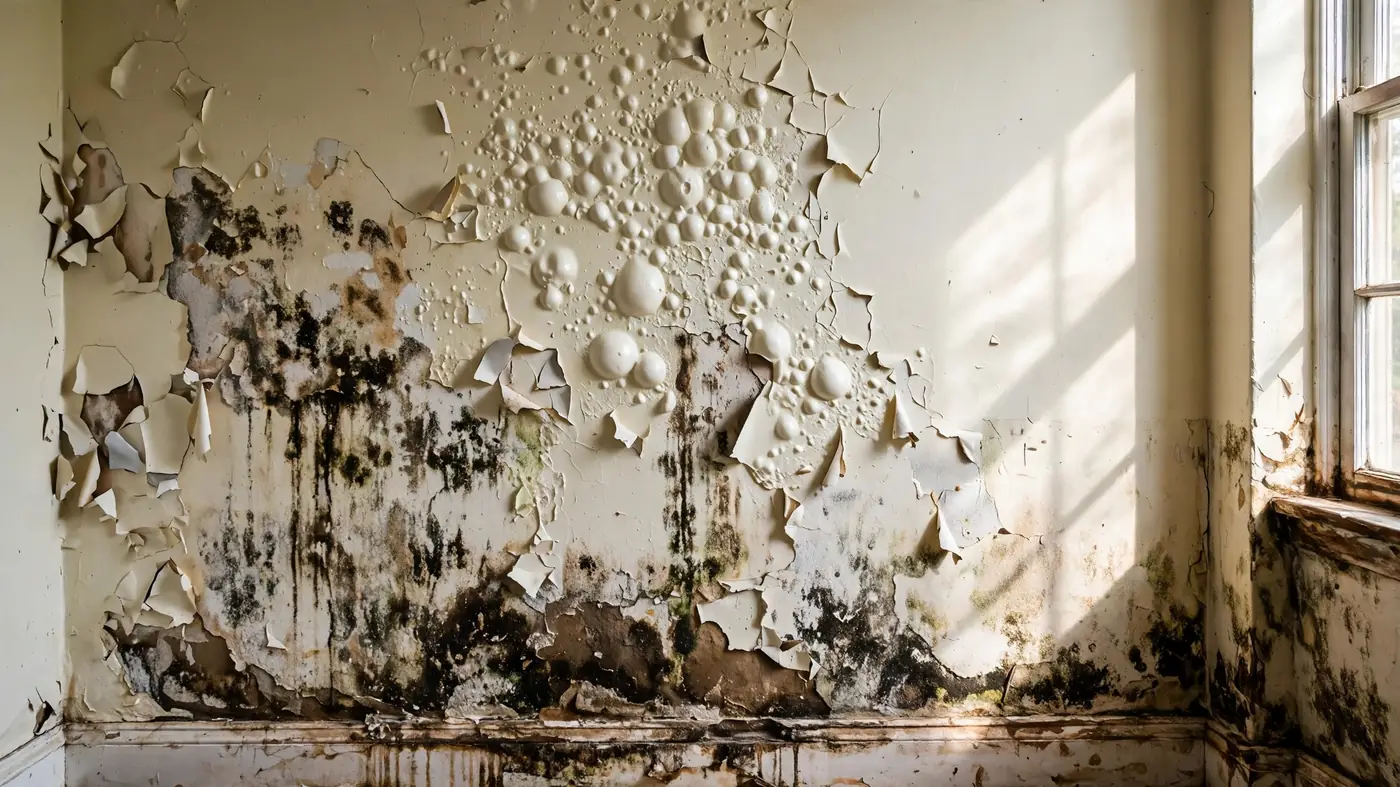
Your eyes catch most water problems first. Here is what to look for and what each sign usually means.
After any major Florida storm, walk your property and look specifically for missing shingles, lifted flashing, and debris impact points on the roof, since roof leaks often do not show interior stains until days later.
Smell often detects hidden water damage before your eyes do, especially inside wall cavities, under flooring, and in closed closets.
Tip: odors are strongest when a home has been closed up, such as returning from vacation or opening a guest room. Make a quick sniff check part of your routine after any plumbing work or heavy rain.
Run your hand along suspect surfaces. Texture changes reveal moisture that eyes miss.
The most expensive water damage is the kind you cannot see. These clues point to moisture hiding inside the structure.
When hidden damage is suspected, professionals use moisture meters and thermal imaging to map wet areas without tearing walls open. That mapping is the first step of proper structural drying.
Walk through your home with this checklist once or twice a year, and after every major storm.
| Room | Check these spots | Common Florida cause |
|---|---|---|
| Kitchen | Under-sink cabinet floor, dishwasher edges, refrigerator water line, ice maker connection | Slow supply-line drips, dishwasher seal failure |
| Bathrooms | Toilet base, tub and shower caulking, vanity interiors, tile grout | Wax ring failure, grout deterioration in humidity |
| Laundry room | Washer hoses, drain standpipe, floor drain, walls behind machines | Burst washer hoses, drain backups |
| Attic | Roof decking, around vents and flashing, insulation condition | Storm-lifted shingles, wind-driven rain |
| Garage | Water heater base, slab edges, walls shared with living space | Water heater failure, slab moisture wicking |
| Bedrooms and living areas | Exterior wall baseboards, window sills, ceiling corners | Window seal failure, roof leaks traveling along trusses |
| Closets on exterior walls | Back walls, floor corners, stored items for dampness | Condensation and slow exterior intrusion |
| Around the AC air handler | Drain pan, condensate line exit point, surrounding drywall | Clogged condensate drain, a leading Florida cause |
Not every sign is an emergency, but every sign deserves attention. Use this table to triage.
| Sign | Likely indicates | Urgency | First action |
|---|---|---|---|
| Active dripping or flowing water | Burst pipe, failed supply line, major roof breach | Immediate | Shut off water main, call emergency help |
| Sagging or bulging ceiling | Trapped water above, collapse risk | Immediate | Stay clear, call for emergency response |
| Sewage odor or backup | Drain or sewer line failure | Immediate | Avoid contact, call for water extraction |
| Growing or damp stain | Active leak above or behind surface | Same day | Find and stop the source, document with photos |
| Musty odor in one area | Hidden moisture, possible mold growth | Within days | Inspect closely, consider professional moisture check |
| Peeling paint, warped trim | Chronic low-level moisture | Within days | Locate source, plan repair and drying |
| Old, dry, stable stain | Past leak, possibly resolved | Routine | Verify no active moisture, monitor |
| Higher water bill, no visible leak | Hidden supply-line leak | Within days | Meter test, call a plumber to locate |
When in doubt, treat it as active. Water problems in Florida rarely improve on their own, and humidity accelerates secondary damage. Our guide on how long restoration takes explains why speed matters.
Call right away if you notice any of these, and see emergency water damage service for what happens next.
For slower, stable signs, document everything with dated photos before you clean or repair, good records support both the repair plan and any future insurance claim. Then use our Florida city directory to find local help, or contact us to discuss what you are seeing.
The earliest sign is usually a faint discolored stain on a ceiling or wall, or a musty smell in a closed room or closet. These appear before paint peels or floors warp, so catching them early keeps repairs small.
Yes. Slow pipe leaks and AC condensate backups can soak insulation and framing for weeks while walls look normal. Clues include musty odors, higher water bills, sounds of running water, and warm spots on slab floors.
Touch it. An active leak usually feels damp or cool, and the stain may grow or darken after rain or plumbing use. An old, fully dry stain with crisp edges is more likely from a resolved issue, but it is still worth verifying with a moisture check.
Florida air conditioners remove a lot of humidity, and a clogged condensate drain line can back water into the air handler closet or nearby walls. The smell intensifies with each cooling cycle. This is one of the most common hidden moisture sources in Florida homes.
Painting over a stain without fixing the moisture source traps the problem. The stain will return, and hidden mold or rot can continue spreading. Find and fix the source first, dry the area fully, then repair and repaint.
Stay out from under it, do not poke or drain it yourself, and keep people and pets clear. A sagging ceiling can hold many gallons of water and collapse suddenly. Shut off water to the area if you can do so safely and call for emergency help.
It depends on the policy. Sudden and accidental leaks are commonly covered, while gradual damage from neglected maintenance is commonly excluded. Documentation matters, which is why our insurance documentation guide recommends photographing everything as soon as you find it.
Step-by-step actions for the first minutes after discovery.
First 15 minutes, first hour, and first 24 hours timelines.
What happens after you call, from inspection to repairs.
Why Florida humidity makes fast response essential.
How to photograph and record damage for a claim.
Local water damage help across 255 Florida cities.
Do not wait for it to get worse. Call now for guidance on what to do next, or request help online.
The visible signs of water damage are only half the story. The expensive half hides behind drywall, under flooring and above ceilings, where slow leaks work for months before any stain appears. A proper water damage inspection looks past the obvious and hunts for what you cannot see.
Slab leaks top the list: copper lines under concrete foundations develop pinholes and saturate the soil and slab for months, showing up first as warm spots on tile or unexplained spikes in the water bill. Next are shower pan failures, where a cracked pan liner sends every shower into the wall cavity and the subfloor. Ice-maker and dishwasher supply lines leak slowly inside cabinets. And in attics, AC condensate lines clogged with algae quietly overflow drip pans onto ceilings below.
Moisture meters with pin and pinless modes read moisture inside materials without tearing anything open. Thermal imaging cameras reveal the cooler signature of wet insulation and framing behind drywall. In stubborn cases, a borescope through a small hole confirms conditions inside a wall cavity. These tools turn "I think there might be a leak" into measured facts with locations and severity.
If you find one hidden leak, assume there may be more and get a full inspection. Musty odors with no visible source, paint bubbling in lines along baseboards, and floors that feel spongy are all reasons to call. Early detection is the cheapest water damage restoration there is. Reach us at (833) 606-6010 for an inspection anywhere in Florida.