✓
Address moisture
Part of the mold after a water leak in florida workflow, handled in a safety-first sequence.
Moisture-focused next steps when visible or suspected microbial growth follows water damage.
Water-loss response depends on the source, duration, affected materials and safe access to the property.
Part of the mold after a water leak in florida workflow, handled in a safety-first sequence.
Part of the mold after a water leak in florida workflow, handled in a safety-first sequence.
Part of the mold after a water leak in florida workflow, handled in a safety-first sequence.
Part of the mold after a water leak in florida workflow, handled in a safety-first sequence.
Protect people first, avoid unsafe electrical conditions, document the visible loss and seek appropriate restoration support.
Keep people away from dangerous areas and call 911 for immediate hazards.
Stop the water source only when doing so can be done safely.
Photograph visible damage and record the time, source and affected areas.
Move toward water removal, drying and moisture monitoring as soon as appropriate.
Coordinated assessment, extraction, drying and cleanup after a water loss.
View pageRapid response pathways for active or spreading water damage.
View pageStanding-water removal and immediate moisture control.
View pageEquipment-based drying and moisture monitoring for affected materials.
View pageCleanup and drying planning after flood-related water intrusion.
View pageRemoval of unwanted water from accessible residential and commercial spaces.
View pageMold does not wait for a convenient time. According to EPA and FEMA guidance, mold can begin growing on damp surfaces within 24 to 48 hours of water exposure, and Florida's climate makes that window even less forgiving. Year-round humidity, warm temperatures, and moisture trapped in drywall, insulation, and wood framing create ideal conditions for colonies to establish fast.
This timeline is why the period right after a leak matters more than most homeowners realize. A supply line leak fixed on Monday can mean visible mold by Wednesday if the surrounding materials were never properly dried. Drying must reach the materials you cannot see: the back of drywall, the wall cavity, the subfloor. Surface fans and open windows do not accomplish this in Florida humidity; it takes commercial dehumidification, targeted airflow, and moisture verification.
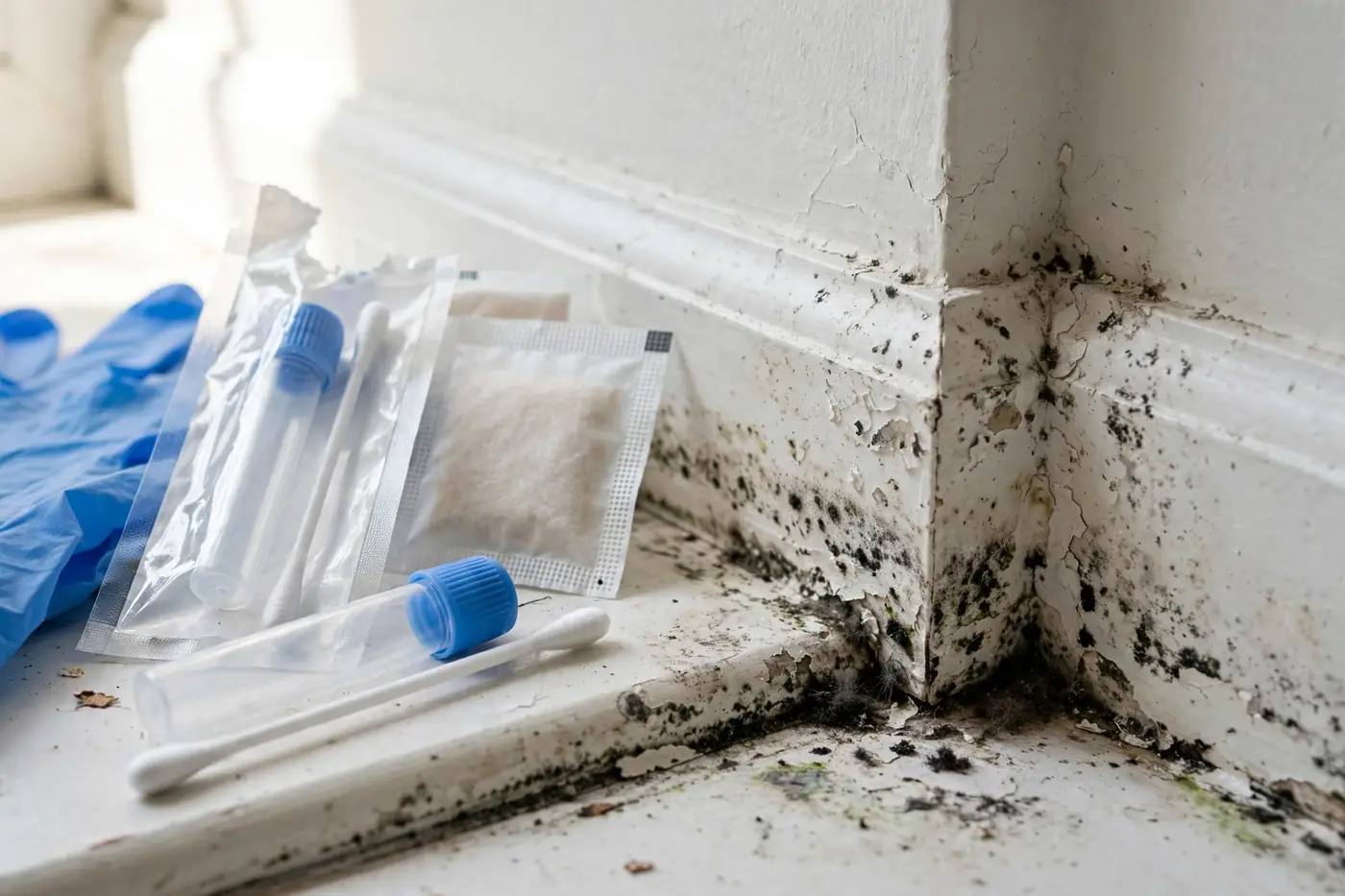
The Florida Department of Health recommends keeping indoor humidity below 60 percent, ideally below 50 percent, to discourage growth. After any leak, run your AC and dehumidifiers, watch for musty odors (often the first sign of hidden growth), and get professional structural drying started within the first day. Our guide on how fast mold grows after water damage explains the science, and if growth is already visible, read when to bring in licensed help below.
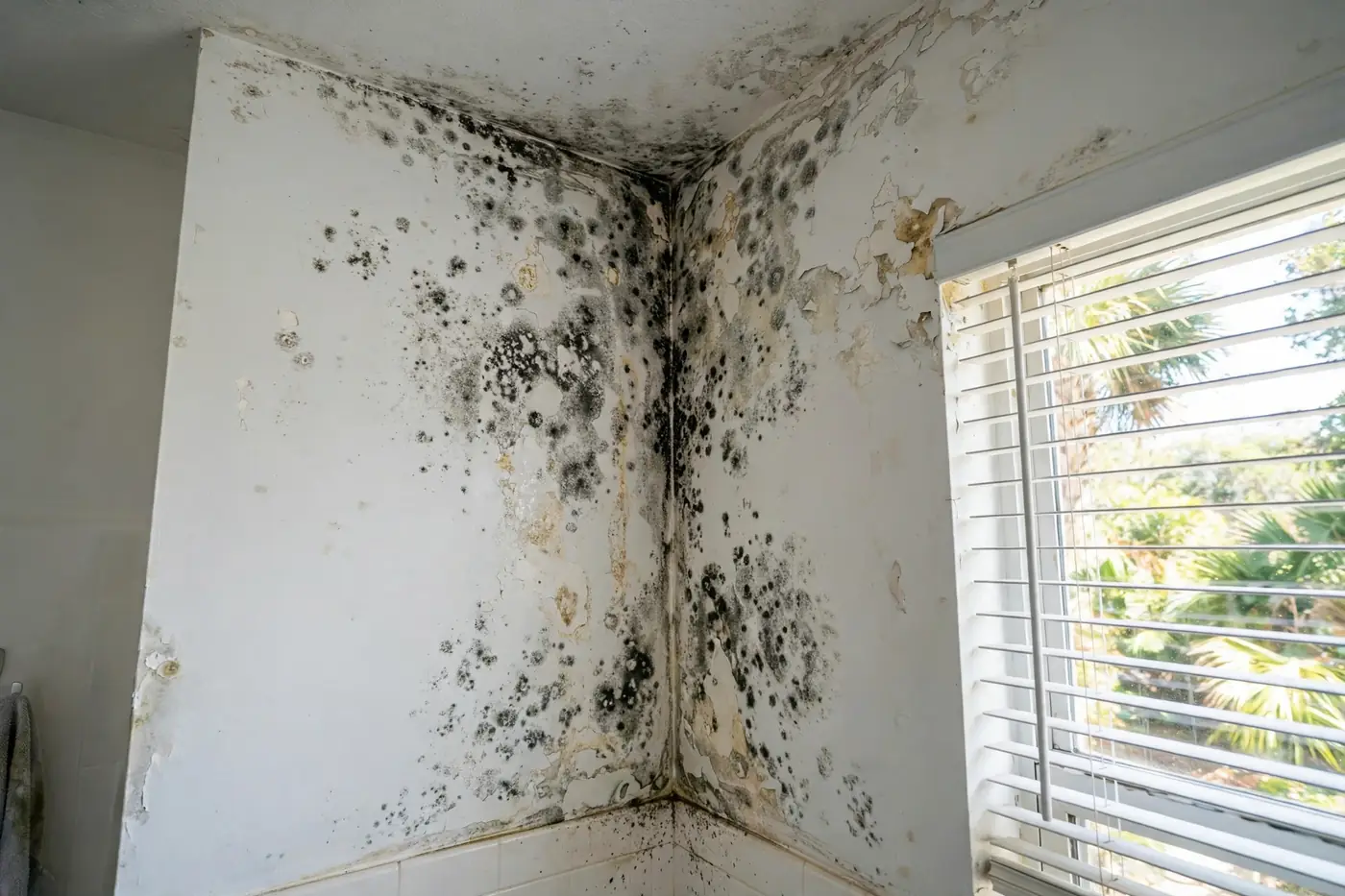
Some mold situations go beyond drying and cleanup. If you see growth spreading across walls or ceilings, smell persistent mustiness after drying, or find mold inside HVAC systems or wall cavities, it is time for professional remediation, not household cleaning.
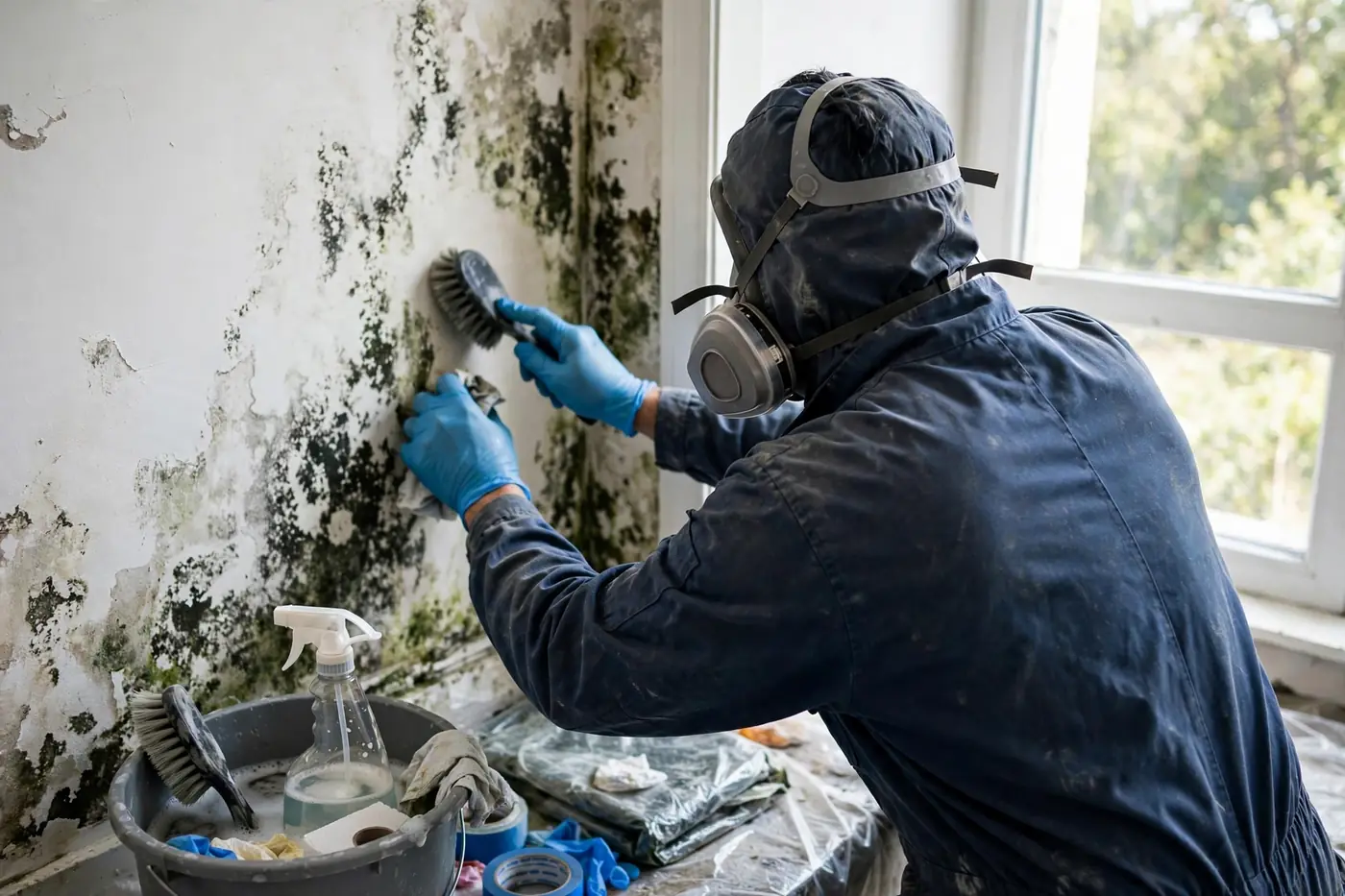
Florida law is specific here: mold remediation covering more than 10 square feet must be performed by a Florida DBPR-licensed mold remediator, and the assessor who evaluates the mold must be independent from the company that remediates it. Skyfold Restoration does not perform remediation directly. Instead, we connect you with licensed Florida mold remediation professionals who follow the ANSI/IICRC S520 standard: containment under negative air pressure, HEPA filtration, removal of contaminated porous materials, antimicrobial treatment, structural drying, and third-party clearance testing to verify the job.
Do not disturb large areas of growth yourself. Scrubbing or tearing out moldy drywall without containment spreads spores through the home and can turn a contained job into a whole-house problem. Call (833) 606-6010 any time and we will connect you with a licensed local remediator for assessment. If you are unsure whether your situation needs remediation or just thorough drying, our mold remediation page explains the full process, and insurance claims assistance can help you understand how mold coverage limits apply.
Call the existing Skyfold Restoration number or submit the request form with the property address and what happened.