How to Document Water Damage for Insurance
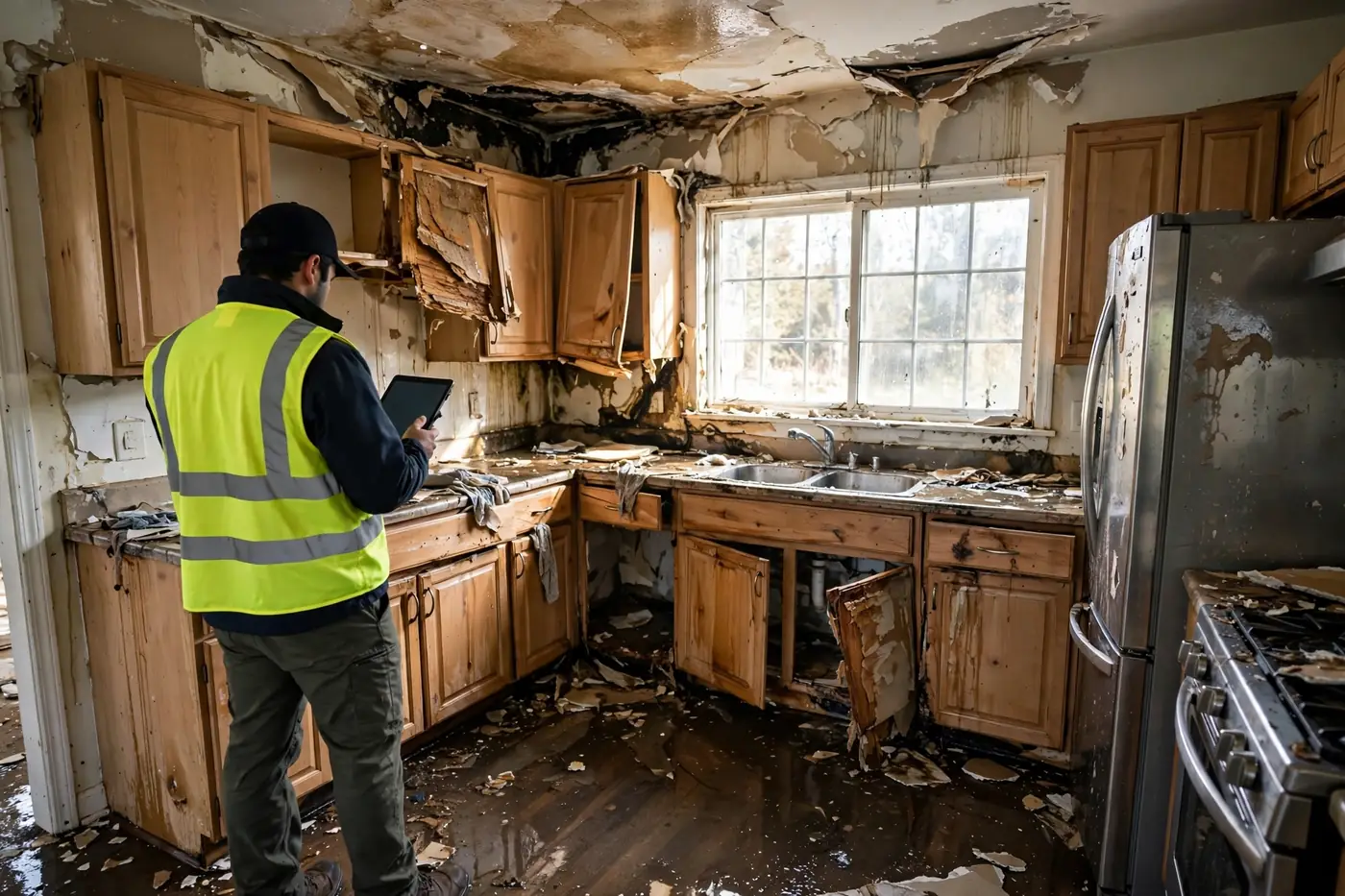
Field-level walkthrough for the day of discovery.
The difference between a smooth insurance claim and a denied one is often paperwork. This guide shows Florida homeowners exactly how to document water damage for an insurance claim: what to photograph, what to write down, how to track moisture and repairs, how to communicate with adjusters, and how to avoid the denials we see most often.
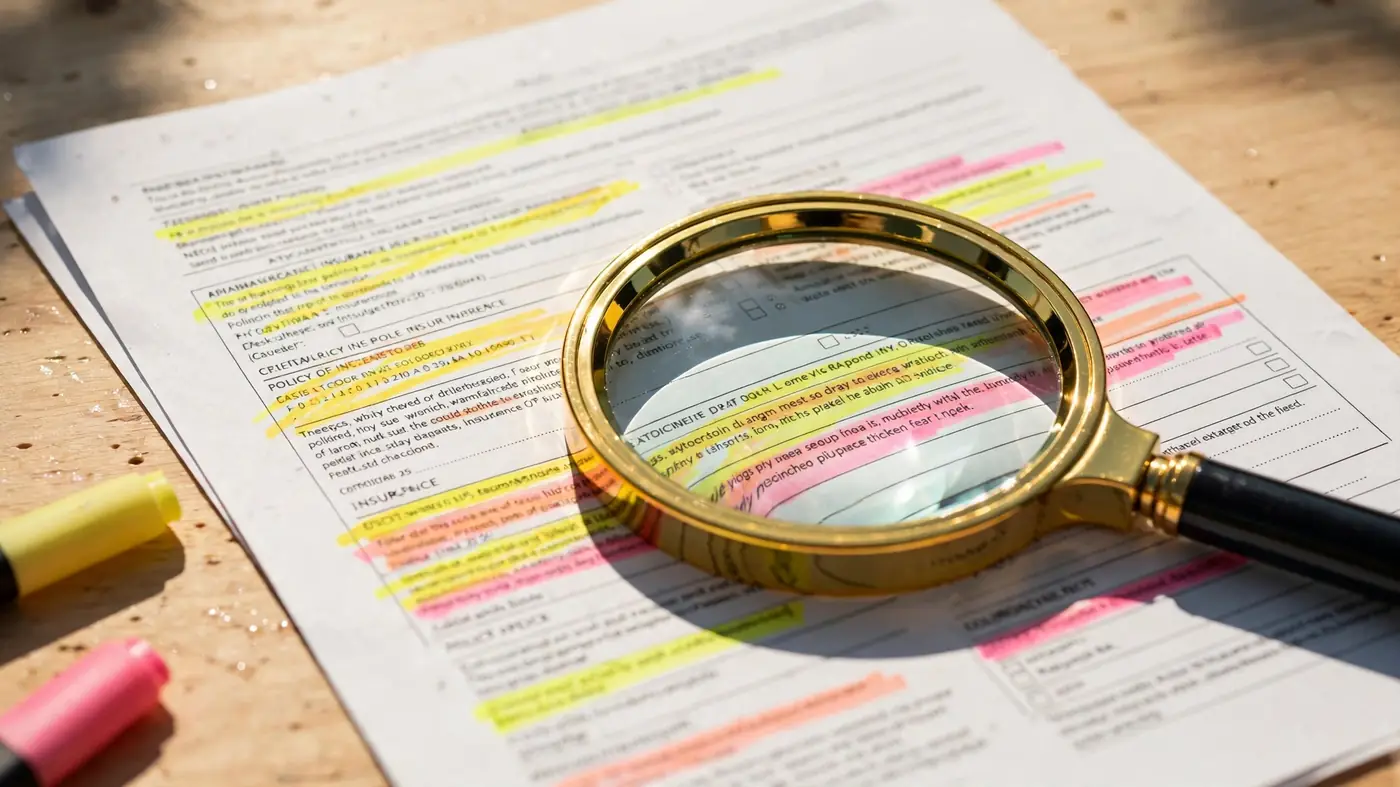
Photos are your most powerful claim tool. Take them before anything is moved, cleaned, or removed.
Store copies in at least two places, such as your phone and cloud backup, so a damaged device does not lose your evidence. If family members also took photos on their phones, collect those into the same claim file with notes about who took what and when.
Adjusters need an itemized list. Build it room by room while the damage is fresh.
For each damaged item, record:
A simple spreadsheet works well. Group items by room, and note which items were discarded for health reasons (such as sewage-contaminated porous materials) with a photo taken before disposal. Keep receipts for everything you buy during the claim, from tarps to hotel stays, since additional living expenses may be covered depending on your policy.
These technical records prove the scope of the loss and that drying was done properly.
Keep these with your photos and inventory in one claim file, physical or digital. When the adjuster asks how the scope was determined, you will have the answer ready.
Clear, factual communication keeps claims moving. These practices help.
If the process stalls or the scope is disputed, our insurance claims assistance service explains how documentation supports each stage.
Every claim differs, but this is the usual sequence.
Florida law sets timeframes for insurer communications and decisions, so note every date. If deadlines pass without response, follow up in writing.
Florida policies have quirks that surprise homeowners after water losses.
For the broader coverage question, see does homeowners insurance cover water damage in Florida.
Most denials trace back to a handful of preventable issues.
| Denial reason | What it means | How to avoid it |
|---|---|---|
| Gradual damage / wear and tear | Long-term leak from neglected maintenance | Fix small leaks promptly; keep maintenance records |
| Late reporting | Claim filed long after discovery | Notify the insurer within days of discovery |
| Flood exclusion | Rising exterior water classified as flood | Carry flood insurance in flood-prone areas; document the source |
| Pre-existing damage | Insurer argues damage predated the policy or loss | Dated photos from discovery prove the timeline |
| Insufficient documentation | Scope cannot be verified | Full photo set, inventory, moisture logs, and scopes |
| Mold cap exceeded | Policy limits mold coverage | Fast drying with logs; know your policy's mold terms |
A denial is not always the final word. Here is a measured way to respond.
Throughout any dispute, keep mitigating further damage and keep documenting. Your obligation to prevent worsening damage continues regardless of the claim status, and your records remain your strongest asset.
Wide shots of every affected room, close-ups of all damage, the water source, damaged belongings with serial numbers visible, and dated follow-ups through drying and repair. Take them before any cleanup or removal begins.
It is best to wait, but health hazards like sewage-soaked porous materials sometimes must go sooner. In that case, photograph each item thoroughly first, note why immediate removal was necessary, and keep a sample if practical.
Policies require prompt notice, typically interpreted as days rather than weeks. File as soon as you have documented the initial damage, you can supplement details later as the scope becomes clear.
Often only when the mold results from a covered water loss, and many Florida policies cap mold coverage. Fast, documented drying gives any mold portion of the claim its strongest foundation.
Water damage usually means water from inside the home's systems, like burst pipes or appliance failures. Flood usually means rising water from outside, like storm surge or overflowing bodies of water, which standard homeowners policies typically exclude. Precise source documentation determines which applies.
Having a professional scope and moisture map before the adjuster arrives helps you compare against their estimate and catch missed items. Keep it factual and share the documentation openly.
Keep everything: photos, inventory, moisture logs, scopes, invoices, and all correspondence, for several years. If related damage appears later, this file proves the history.
Field-level walkthrough for the day of discovery.
What to do in the first minutes and hours.
Professional records that support your claim.
How scope and documentation relate to cost.
Coverage distinctions explained in plain language.
Discuss documentation for your specific situation.
Good documentation starts at discovery. Call now for guidance on protecting your claim from day one.
A water damage insurance claim in Florida succeeds or fails on documentation. Adjusters handle dozens of files a week, and the ones that get paid quickly are the ones with dated photos, instrument moisture readings and a clear timeline. Our insurance documentation service exists to build exactly that file while the restoration work happens.
First, proof of the source and the suddenness: photos of the burst pipe, failed hose or roof breach, plus a note of when it was discovered. Sudden and accidental losses are commonly covered, while long-term leaks often are not, so establishing the timeline matters. Second, proof of the extent: moisture meter readings from walls, floors and framing, thermal images showing the full wet area, and daily drying logs. Third, proof of reasonable mitigation: invoices showing you acted fast to limit damage, which your policy actually requires.
The costliest mistake is waiting to call anyone. Every day of delay is argued as failure to mitigate. The second is throwing away damaged materials before they are photographed. The third is assuming floodwater from a storm is covered by a standard homeowners policy. It usually is not, that needs separate flood insurance. When in doubt, document everything and let the adjuster decide, a thin file helps no one.
During any Skyfold water damage restoration job we photograph conditions on arrival, log moisture readings daily and provide an itemized scope of work. You can hand that package straight to your adjuster. Questions about a claim in progress? Call (833) 606-6010 and we will explain what documentation you still need.