
Water Damage Restoration in Palmetto Bay, FL
24/7 emergency water extraction, structural drying, moisture detection and cleanup for homes and businesses across Palmetto Bay and Miami-Dade County.
Water damage rarely waits for a convenient moment. A supply line bursts under a sink at midnight, an afternoon thunderstorm pushes rain under a door, or an air conditioner drain line backs up during the hottest week of the year. In Palmetto Bay, the first hours after water appears decide how far the damage spreads, how long drying takes, and whether mold gets a foothold. Skyfold Restoration serves Palmetto Bay and surrounding Miami-Dade County communities with 24/7 emergency response for water extraction, structural drying, moisture detection and cleanup.
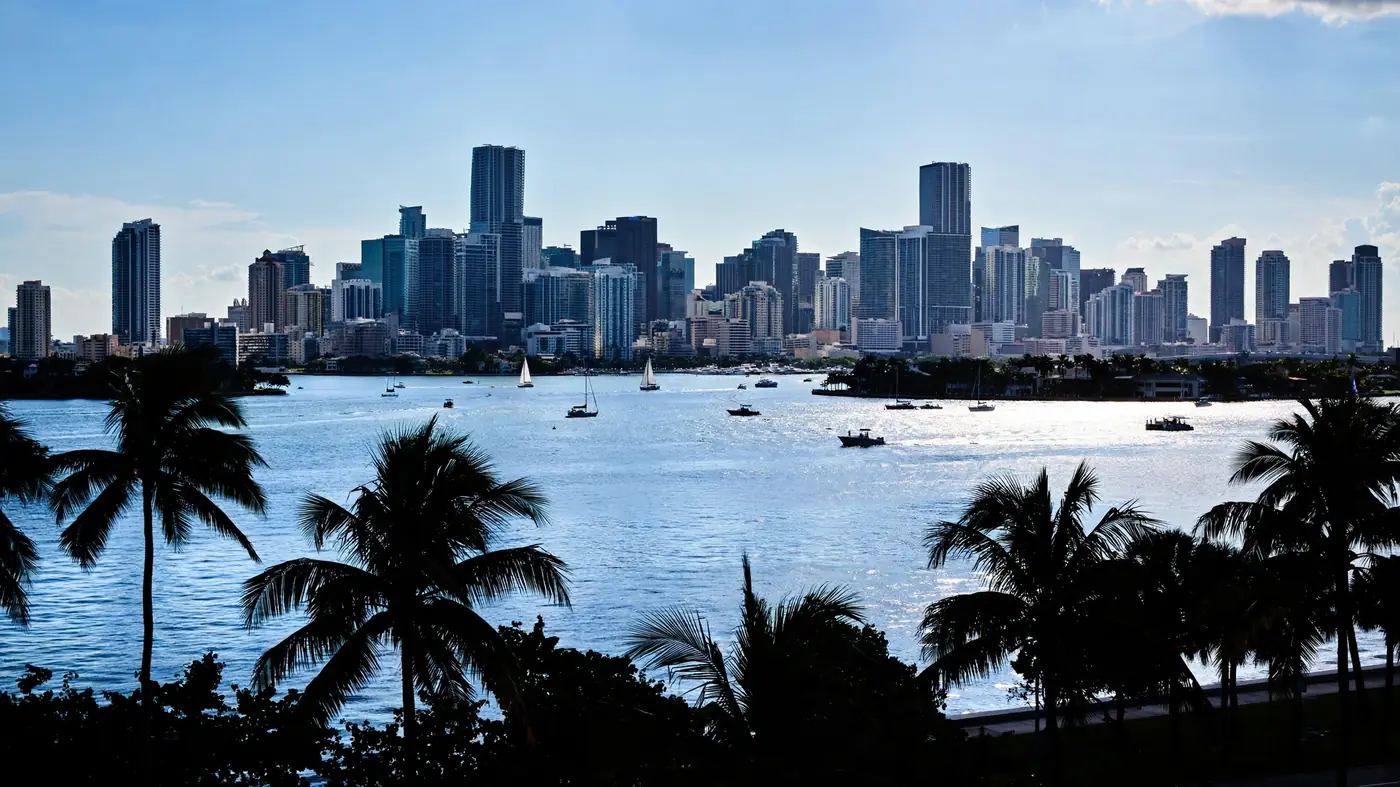
Palmetto Bay is a village in Miami-Dade County in South Florida, with suburban neighborhoods near Biscayne Bay. South Florida weather is a constant factor: intense afternoon thunderstorms from May through October, tropical storms and hurricanes from June through November, king tides that push water back up through storm drains, and a high water table fed by the Biscayne Aquifer that keeps soils saturated and low-lying areas slow to drain.
When water affects a property in Palmetto Bay, the right response follows the same proven sequence: stop the source, remove standing water, dry the structure with measured verification, clean what the water touched, and repair what cannot be saved. This page explains how that process works in Palmetto Bay, what local conditions change the plan, and what you can do in the first hour to protect your home or business.
Water damage help for residential, multifamily and commercial properties
Most calls in Palmetto Bay come from single-family homes: burst supply lines, water heater failures, AC condensate leaks, roof leaks after wind-driven rain, and washing machine or dishwasher overflows. We help homeowners with emergency extraction, room-by-room drying, moisture mapping, and documentation their insurance company can use.
Multifamily buildings, condos and apartments in Palmetto Bay and Miami-Dade County add shared plumbing stacks, common-area roofs, and HOA coordination to the picture. Commercial properties, from offices and retail to restaurants and lodging, need fast water removal that limits downtime and protects inventory, equipment and tenant spaces. One call reaches our Florida team for all three property types, day or night.
Water Damage Restoration Palmetto Bay: What Happens First?
The first call sets everything in motion. When you contact Skyfold Restoration about water damage in Palmetto Bay, we gather the details that matter: where the water is, how much there is, whether it is still spreading, what kind of water it is, and whether anyone is at risk. That short intake shapes the entire response, from which equipment is dispatched to whether we advise you to shut off power or water first.
Humidity stays high most of the year in South Florida, which slows evaporation, keeps wall cavities damp, and lets mold begin growing within 24 to 48 hours of a water event. Because of that, speed matters more here than in drier climates. Our goal is to stop the clock on secondary damage: swelling wood, delaminating flooring, saturated drywall, and microbial growth.
Stop the source safely
If you can safely reach the main water shutoff, a fixture valve, or the breaker feeding a leaking appliance, do it. Do not wade into standing water where electrical outlets, cords, or appliances are submerged, and do not touch a water heater or electrical panel that is wet. If the water came from a storm, wait until conditions are safe before inspecting the roof or exterior. When in doubt, call us first and we will walk you through what is safe to do before we arrive.
Record the visible loss
Before you move anything, photograph and video the damage: standing water, wet flooring, stained walls and ceilings, damaged furniture, and the suspected source. Open drawers and closets and photograph inside them. These images become the foundation of your insurance documentation, and they are far more convincing when taken before cleanup begins. Save receipts for any emergency purchases, such as tarps, fans, or a plumber's after-hours visit.
Start the assessment
Once the source is controlled and the scene is documented, a trained technician assesses the loss in person. That means tracing how far the water traveled, including inside wall cavities, under flooring, and into subfloors, using moisture meters and thermal imaging. In Palmetto Bay, where humidity stays high most of the year in South Florida, which slows evaporation, keeps wall cavities damp, and lets mold begin growing within 24 to 48 hours of a water event., hidden moisture is the rule rather than the exception, so the assessment looks beyond what is visible. What we find sets the extraction plan, the drying plan, and the documentation your claim will need.
When Palmetto Bay Properties Need Water Damage Restoration
Not every wet floor needs full restoration, but certain situations in Palmetto Bay almost always do. The deciding factors are the water category, how long materials stayed wet, and how far the moisture spread. Clean water from a supply line is urgent but straightforward. Gray water from appliances carries contaminants. Black water from sewage or floodwater is a health hazard that needs professional handling every time.
Active Plumbing Leak
A burst supply line, a failed toilet valve, or a cracked pipe joint can release gallons per minute into a Palmetto Bay home. Even a slow leak inside a wall can soak insulation, framing and drywall for weeks before it shows. Active leaks need the source stopped, the water extracted, and the affected materials dried and verified, because Florida humidity finishes what the leak started.
Standing Water
Inches of standing water in a living room, garage, or commercial space mean the flooring, baseboards, and lower wall sections are already absorbing moisture. We remove standing water with truck-mounted or portable extraction, then pull moisture from carpet pads, subfloors and wall bases before drying equipment goes in.
Sewage Backup
When a sewer line backs up into a Palmetto Bay property, the water is Category 3: contaminated with bacteria, viruses and waste. This is not a DIY cleanup. Affected porous materials usually must be removed, hard surfaces need antimicrobial treatment, and the area must be verified clean before rebuilding.
Storm Water Intrusion
Wind-driven rain through a damaged roof, water pushed under doors by street flooding, or seepage through windows during a Palmetto Bay thunderstorm all count as storm water intrusion. We extract the water, dry the structure, and document the storm connection, which matters for insurance, since wind-driven rain and floodwater are handled differently by most policies.
Appliance Water Damage
Water heaters, washing machines, dishwashers, refrigerators with ice makers, and AC air handlers are among the most common sources of indoor flooding in Palmetto Bay. A failed water heater can release 40 or more gallons; a washing machine supply hose can run until someone notices. We handle the water, the drying, and the documentation, and we note the failed appliance for your records.
Hidden Moisture
The most expensive water damage in Palmetto Bay is the kind nobody sees: a slow AC condensate leak inside a wall, seepage under tile, or moisture trapped beneath luxury vinyl plank. Humidity stays high most of the year in South Florida, which slows evaporation, keeps wall cavities damp, and lets mold begin growing within 24 to 48 hours of a water event. Our moisture detection finds it with meters and thermal imaging, so drying addresses the full loss, not just the visible part.
Common Water Damage Problems in Palmetto Bay
South Florida weather is a constant factor: intense afternoon thunderstorms from May through October, tropical storms and hurricanes from June through November, king tides that push water back up through storm drains, and a high water table fed by the Biscayne Aquifer that keeps soils saturated and low-lying areas slow to drain. Those conditions create a familiar set of water problems across Miami-Dade County. Knowing which ones are most likely in Palmetto Bay helps you watch the right places and respond faster when something goes wrong.
Plumbing problems
Aging supply lines, corroded fittings, and slab leaks are steady sources of indoor flooding in Palmetto Bay. Many Florida homes run water lines through concrete slabs, where a pinhole leak can go unnoticed for months while it erodes soil and wicks moisture upward. Warning signs include a water bill that climbs for no reason, warm spots on the floor, the sound of running water when nothing is on, and musty odors near bathrooms and kitchens.
HVAC problems
In Palmetto Bay, air conditioners run most of the year, and every cooling cycle produces condensate. When a drain line clogs with algae, the pan overflows, often into a ceiling, wall cavity, or closet. A rusted drain pan, a failed float switch, or a cracked condensate line can drip for weeks. Because humidity stays high most of the year in South Florida, which slows evaporation, keeps wall cavities damp, and lets mold begin growing within 24 to 48 hours of a water event., AC leaks are one of the fastest paths to mold in Florida homes.
Building problems
Roofs take the brunt of Palmetto Bay storms. Wind-driven rain finds lifted shingles, cracked flashing, and worn sealant around vents and skylights. Windows and sliding doors with failed seals let water in during downpours. Stucco cracks and failed caulking at wall penetrations give rain a path into wall cavities. After any major storm, a quick walk around the exterior, looking for missing shingles, damaged flashing, and debris against the foundation, catches problems early.
Appliances problems
Water heaters older than ten years, washing machine rubber supply hoses, dishwasher door seals, and refrigerator ice-maker lines fail regularly in Palmetto Bay. A water heater in a garage or closet can flood adjacent rooms before anyone notices. Replacing rubber washer hoses with braided stainless steel, and putting a pan with a drain under the water heater, prevents the most common failures.
Weather problems
South Florida weather is a constant factor: intense afternoon thunderstorms from May through October, tropical storms and hurricanes from June through November, king tides that push water back up through storm drains, and a high water table fed by the Biscayne Aquifer that keeps soils saturated and low-lying areas slow to drain. Street flooding can push water under doors and into garages. Wind-driven rain enters through roof and window vulnerabilities. After the storm passes, saturated ground keeps foundations damp and crawl spaces humid for days.
Sewer problems
Heavy rain can overwhelm municipal sewer systems and private septic drain fields around Palmetto Bay, causing backups into the lowest drains in the house. Tree roots seeking water in dry months can crack older sewer laterals, which then clog or collapse during the wet season. If multiple drains gurgle or back up at once, treat it as a main-line problem and call for help before using more water.
Why Palmetto Bay Water Damage Can Require Local Planning
Water damage restoration is never one-size-fits-all, and Palmetto Bay properties vary enough that the plan has to account for the building type, its age, and its setting. A 1970s concrete-block ranch, a mid-rise condo, and a restaurant on a commercial corridor each need a different approach to access, drying, and coordination. Miami-Dade County's mix of homes, rentals, and businesses means our planning starts with the property, not a template.
Homes & Townhomes
Single-family homes and townhouses in Palmetto Bay are where we see the widest range of losses, from a single-room AC leak to whole-house flooding after a storm. Drying plans account for slab-on-grade construction, tile and wood flooring, attic insulation, and attached garages. For townhouses, we also check shared walls, because water does not respect property lines.
Condos & Apartments
Condos and apartment buildings in Palmetto Bay add vertical water travel: a leak on the third floor becomes a ceiling stain on the second and a wet wall on the first. We coordinate with property managers and HOAs, document common-area versus unit damage separately, and schedule work to minimize disruption for neighboring residents.
Offices & Professional Buildings
Office and professional buildings in Palmetto Bay need water removed fast and quietly, often after hours, to protect IT equipment, records, and tenant operations. We segment drying zones so unaffected areas can stay open, and we document everything for the building owner's insurance and lease records.
Hotels & Lodging
Hotels, motels and vacation rentals in Palmetto Bay lose revenue for every room that sits wet. Rapid extraction, targeted drying, and odor control get rooms back in service quickly, while documentation supports business-interruption records. For vacation rentals, we coordinate with remote owners and local managers.
Older Palmetto Bay Properties
Older properties in Palmetto Bay often have galvanized or polybutylene plumbing, original cast-iron drains, aging water heaters, and roofs near the end of their service life. These buildings deserve extra attention during assessment, because one visible leak often signals a system that is ready to fail in a second place. We note the age-related risks in our documentation so owners can plan prevention.
Lake-Area or Waterfront Properties
Waterfront and near-water properties in Palmetto Bay face storm surge, tidal flooding, wind-driven rain, and salt air that corrodes fixtures and shortens appliance life. We plan for surge-related contamination, coordinate around HOA and condo rules common in waterfront buildings, and document flood versus wind damage carefully for insurance.
How Palmetto Bay Water Damage Restoration Begins
Every restoration in Palmetto Bay follows the same professional sequence, scaled to the size of the loss. Knowing the steps helps you understand what is happening in your home, what to expect next, and why each phase matters before the next one starts.
Emergency Intake
Your call starts the file: address in Palmetto Bay, water source, affected areas, safety concerns, and insurance details if you have them. We confirm what you should do right now, such as shutting off water or power, and we schedule the on-site assessment. The intake notes follow the job from start to finish, so nothing you tell us gets lost.
Assessment
On site, a technician traces the water's path with moisture meters and thermal imaging, identifies the water category, and maps affected materials room by room. In Palmetto Bay, where humidity stays high most of the year in South Florida, which slows evaporation, keeps wall cavities damp, and lets mold begin growing within 24 to 48 hours of a water event., this step often finds damage beyond the visible stain. The assessment produces the extraction plan, the drying plan, and the photo documentation your insurer will want.
Source Control
No drying plan works while water is still coming in. We help confirm the source is stopped: a plumber's repair for a burst line, a roofer's emergency tarp for storm damage, or simply a closed valve for an appliance leak. If the source needs a trade you do not have, we document the need so you can get it fixed fast.
Extraction
Standing water comes out first, using truck-mounted or portable extraction units, weighted extraction for soaked carpet, and pumps for hard surfaces. Fast extraction removes the bulk of the water in hours, which shortens the entire drying timeline and limits how far moisture wicks into drywall and framing.
Structural Drying
Air movers and dehumidifiers go in based on the moisture map, not guesswork. We calculate the equipment needed for the cubic footage and the wet materials, position it for airflow across wet surfaces, and, in Palmetto Bay's humid climate, lean on dehumidification to pull moisture from the air as fast as it evaporates from materials.
Moisture Monitoring
Drying is verified, not assumed. We return to take moisture readings in walls, floors, and cavities and compare them against dry standards for the same materials. Equipment stays until readings stabilize in the dry range. This monitoring is what separates professional restoration from hoping a fan did the job.
Cleaning
Everything the water touched gets cleaned: hard surfaces wiped and treated, carpets cleaned after drying, and contents cleaned where salvageable. Contaminated water losses get antimicrobial treatment on affected surfaces. In Palmetto Bay, where mold starts fast, cleaning also targets the organic dust and residues that mold feeds on.
Restoration
Restoration means returning the property to its pre-loss condition: the full arc from emergency response through final repairs. We keep the documentation continuous across every phase, so the file tells one clear story from the first photo to the last moisture reading.
Repairs
Once materials test dry, repairs begin: replacing drywall sections, baseboards, and insulation that could not be saved, resetting toilets and vanities, repainting, and reinstalling flooring. We document what was removed and why, which keeps the repair scope defensible for insurance review.
Reconstruction
Larger losses need reconstruction: rebuilding wall sections, replacing subfloor, or restoring a kitchen or bathroom to working order. The scope comes straight from the assessment and the drying verification, so reconstruction fixes the actual damage, nothing more and nothing less.
What to Do After Water Damage in Palmetto Bay
The hour after you discover water damage in Palmetto Bay is when you have the most control over the outcome. These steps protect your safety, limit the spread, and preserve your insurance options. Do them in order, and call us as early in the sequence as you can.
Stay Safe
Turn off power to wet areas at the breaker if you can do it without walking through water. Keep people and pets away from standing water, especially if it may be contaminated. If ceilings are sagging or bulging with water, stay out from under them. When in doubt about safety, wait for professionals.
Stop the Source
Close the nearest fixture valve, the appliance supply valves, or the main water shutoff. For storm intrusion, there may be nothing to shut off; focus on safety and documentation instead. Note what you did and when, since your insurer will ask.
Document
Photograph and video everything before you move or clean anything: the water itself, the source if visible, every affected room, damaged belongings, and serial plates on damaged appliances. This before-cleanup record is the most persuasive evidence in a claim.
Remove Standing Water
If the water is clean and shallow and you can work safely, mopping, wet-vacuuming, or pushing water out buys time. Do not attempt this with sewage or floodwater, and do not run household fans into wall cavities you cannot see. Professional extraction follows regardless, because surface water is only part of the loss.
Check Moisture
Press baseboards, feel for soft drywall, look under sinks, and sniff for musty odors in closets and cabinets. In Palmetto Bay, hidden moisture is common, so note anything that feels damp, looks stained, or smells off, and point it out during the assessment. Do not tear out materials yourself; testing comes first.
Begin Drying
If conditions are safe, open windows only if the outdoor air is drier than indoors, which in Palmetto Bay is rarely the case in summer. Move dry belongings away from wet areas. Then let professional equipment take over: dehumidifiers and air movers sized to the loss, monitored with moisture readings until materials test dry.
Services Connected to Palmetto Bay Water Damage
Water damage in Palmetto Bay rarely needs just one service. These are the services most often connected to a water loss here, each available as part of your restoration plan.
Water Extraction
Rapid removal of standing water from floors, carpets and hard surfaces across Palmetto Bay, the first step that shortens every drying timeline.
Structural Drying
Measured drying of walls, floors and framing with professional dehumidification, verified with moisture readings before equipment is removed.
Flood Damage Restoration
Cleanup and restoration after floodwater intrusion in Palmetto Bay, including contamination handling, material removal and documented drying.
Sewage Cleanup
Safe cleanup of sewage backups in Palmetto Bay homes and businesses, with contaminated material removal, antimicrobial treatment and verification.
Emergency Water Damage Restoration
24/7 emergency response for active leaks, burst pipes and storm intrusion in Palmetto Bay, starting with source control and extraction.
Mold Remediation
Mold assessment and remediation after water damage in Palmetto Bay, where Florida humidity can start growth within 24 to 48 hours.
Storm Damage Restoration
Response to wind-driven rain, roof leaks and storm flooding in Palmetto Bay, with emergency mitigation and insurance-ready documentation.
Fire Damage Restoration
When fire suppression leaves water behind, combined fire and water cleanup for Palmetto Bay properties, from soot and odor to extraction and drying.
Hidden Water Damage Signs in Palmetto Bay
Visible puddles are obvious. The damage that costs Palmetto Bay property owners the most is the damage they cannot see: moisture inside wall cavities, under flooring, and above ceilings. Humidity stays high most of the year in South Florida, which slows evaporation, keeps wall cavities damp, and lets mold begin growing within 24 to 48 hours of a water event. Watch for these signs and treat any of them as a reason to check further.
Staining or bubbling
Yellow or brown stains on ceilings and walls, bubbling or peeling paint, and wallpaper that loosens at the seams all signal water moving through or behind the surface. In Palmetto Bay, stains that grow after rain point to roof or flashing leaks; stains near bathrooms point to plumbing.
Warping or movement
Cupping hardwood, lifting tile, buckling laminate, and baseboards that pull away from the wall mean moisture is swelling the materials. Doors that suddenly stick and floors that feel spongy are the same story. By the time movement is visible, the moisture has usually been there a while.
Musty or damp odor
A musty smell in a closet, bathroom, or air-conditioned room is often the first sign of hidden mold or long-term dampness. In Palmetto Bay's climate, odors that strengthen when the AC runs can point to a condensate leak or microbial growth in the air handler or nearby cavities.
Unexplained readings
A water bill that rises with no change in use, a water meter that moves when everything is off, or a humidity reading that stays high in one room all suggest a hidden leak. These are worth a professional moisture check before they become visible damage.
Water Damage Restoration for Palmetto Bay Properties
Different properties in Palmetto Bay need different restoration plans. Here is how the work adapts across the three property types we serve most.
Residential
Homes in Palmetto Bay get room-by-room moisture mapping, protection for belongings and furniture, drying plans that account for slab construction and Florida building materials, and documentation written for homeowner claims. We work around your household schedule and keep you informed at every phase.
Multifamily
Duplexes, triplexes, apartment buildings and condo communities in Palmetto Bay need coordination across units, common areas, and management. We document unit-by-unit damage separately, trace vertical water travel between floors, and schedule work to minimize disruption for residents who are not affected.
Commercial
Offices, retail, restaurants, warehouses and lodging in Palmetto Bay need fast water removal with minimal downtime. We segment the work so unaffected areas keep operating, protect inventory and equipment, and produce the documentation that commercial policies and landlords require.
Water Extraction & Moisture Detection in Palmetto Bay
Extraction and detection are the two halves of the same job: get the water out, then prove the structure is dry. In Palmetto Bay, skipping either half is how small losses become big ones.
What to look for
During assessment we look for the full footprint of the loss: standing water, saturated carpet and pad, wet drywall and baseboards, moisture in wall cavities, water under flooring, damp insulation, and condensation-prone areas near the air handler. Thermal imaging reveals temperature differences that suggest hidden moisture, and pin and pinless meters confirm how wet a material actually is against dry standards.
Why monitoring matters
Materials can feel dry while cavities behind them stay wet, and in Palmetto Bay's humid air, trapped moisture feeds mold and weakens materials over time. Monitoring means returning with meters until readings hold steady in the dry range. That verified endpoint is what protects your property, your health, and your insurance position.
Water Damage Restoration Timeline in Palmetto Bay
Timelines vary with the size of the loss, the materials involved, and Palmetto Bay's humidity, but most projects move through the same phases. Here is what to expect and what affects the pace.
Assessment
Day one. The on-site assessment, moisture mapping and documentation usually happen within the first visit. Emergency extraction often starts the same day for active or extensive losses.
Extraction
Hours to a day. Standing water removal is the fastest phase: most extractions finish within hours once equipment is on site. The speed here directly shortens everything that follows.
Drying Setup
Day one to two. Air movers, dehumidifiers and specialty drying systems are placed according to the moisture map. In Palmetto Bay, dehumidification capacity matters as much as airflow, because humid air slows evaporation.
Monitoring
Three to five days is typical for drying, with daily or scheduled moisture readings. Dense materials, saturated subfloors, and wall cavities extend the timeline. Equipment stays until readings verify dry, not on a fixed schedule.
Cleaning
One to two days. Cleaning and antimicrobial treatment happen after drying verification, so cleaned surfaces stay clean. Contents cleaning can run in parallel for belongings that were moved out.
Repairs
Days to weeks depending on scope. Cosmetic repairs like drywall patches, baseboards and paint move quickly. Flooring replacement, cabinet work and reconstruction take longer and may involve scheduling specialty trades.
Water Damage Insurance & Documentation in Palmetto Bay
Insurance pays for documented, sudden and accidental water damage far more readily than for vague or gradual losses. In Palmetto Bay, where humidity can blur the line between a sudden leak and long-term seepage, documentation is what protects your claim. We photograph, measure and record from the first visit, so the file shows what happened, when, and what it took to fix it.
Most homeowner policies in Florida cover sudden events like burst pipes and appliance failures, and handle wind-driven rain under the windstorm portion. Gradual leaks, seepage, and rising floodwater are commonly excluded or limited, and floodwater generally needs a separate flood policy. Our documentation notes the source, the water category, and the timeline, which is exactly what adjusters ask for.
Emergency or Follow-Up Restoration?
Emergency restoration starts while the loss is active: extraction, source control, and emergency drying to stop the damage from spreading. Follow-up restoration handles what the emergency phase revealed: full structural drying, cleaning, repairs and reconstruction. Many Palmetto Bay claims need both, and our documentation connects the two phases into one continuous record. For help navigating the claim itself, see our insurance claims assistance service.
Preventing Repeat Water Damage in Palmetto Bay
After a loss in Palmetto Bay, prevention is the highest-value step you can take. Most repeat water damage comes from the same short list of causes, and each has a straightforward fix.
Check leak sources
Inspect under every sink, behind toilets, around the water heater, and at the washing machine hoses twice a year. Look for corrosion, drips, bulging hoses and water stains. In Palmetto Bay, water heaters older than ten years and rubber washer hoses are the two failures we see most.
Maintain drainage
Keep gutters and downspouts clear and extended away from the foundation. Make sure grading slopes away from the house and that landscape beds do not trap water against walls. In Palmetto Bay's downpours, a clogged gutter can send hundreds of gallons against the foundation in one storm.
Watch AC moisture
Have the condensate drain line flushed and the drain pan checked during AC service. Confirm the float switch works, since it shuts the system down before the pan overflows. In Palmetto Bay, where the AC runs most of the year, this one maintenance item prevents a large share of ceiling leaks.
Check after storms
After any major storm, walk the property: look for missing shingles, damaged flashing, debris against the foundation, and water stains on ceilings. South Florida weather is a constant factor: intense afternoon thunderstorms from May through October, tropical storms and hurricanes from June through November, king tides that push water back up through storm drains, and a high water table fed by the Biscayne Aquifer that keeps soils saturated and low-lying areas slow to drain. Catching storm damage in the first days keeps a roof leak from becoming a mold project.
Respond early
A small stain, a musty closet, or a damp baseboard deserves attention the day you notice it, not next month. Humidity stays high most of the year in South Florida, which slows evaporation, keeps wall cavities damp, and lets mold begin growing within 24 to 48 hours of a water event. Early response is the cheapest restoration there is.
Keep records
Keep photos of your property in normal condition, receipts for plumbing and roof work, and your insurance policy where you can find it. When a loss happens, this file makes the claim faster and the restoration plan clearer.
RESTORATION HELP NEAR PALMETTO BAY
Water damage does not stop at city limits, and neither do we. Skyfold Restoration serves these nearby Florida communities from the same 24/7 operation:
Water Damage Restoration in Miami Springs, FL
Miami Springs is another South Florida community in our Florida service area, served by the same 24/7 operation.
Water Damage Restoration in Miramar, FL
Miramar is another South Florida community in our Florida service area, served by the same 24/7 operation.
Water Damage Restoration in North Bay Village, FL
North Bay Village is another South Florida community in our Florida service area, served by the same 24/7 operation.
Water Damage Restoration in North Lauderdale, FL
North Lauderdale is another South Florida community in our Florida service area, served by the same 24/7 operation.
Water Damage Restoration in North Miami, FL
North Miami is another South Florida community in our Florida service area, served by the same 24/7 operation.
Water Damage Restoration in Oakland Park, FL
Oakland Park is another South Florida community in our Florida service area, served by the same 24/7 operation.
Water Damage Restoration in Ocean Ridge, FL
Ocean Ridge is another South Florida community in our Florida service area, served by the same 24/7 operation.
Water Damage Restoration in Palm Beach Shores, FL
Palm Beach Shores is another South Florida community in our Florida service area, served by the same 24/7 operation.
OFFICIAL PUBLIC INFORMATION FOR PALMETTO BAY
For flood risk, weather alerts, and emergency planning around Palmetto Bay, these official sources are the most reliable starting points:
County Flood Info
Check the Miami-Dade County floodplain or stormwater management page on the county's official website for local flood zone information, drainage projects, and sandbag locations during storms.
Local Weather
The National Weather Service provides forecasts, tropical outlooks, and flood watches for the Palmetto Bay area.
FEMA Flood Maps
Look up your property's official flood zone at the FEMA Map Service Center, which is the same mapping insurers and lenders use.
Florida Emergency Management
The Florida Division of Emergency Management publishes hurricane guides, evacuation information, and disaster recovery resources for Miami-Dade County residents.
WATER DAMAGE BASICS
Water Damage Categories 1, 2, 3: What They Mean for Your Palmetto Bay Property
Clean water, gray water, black water. These three categories decide how water damage gets handled at your Palmetto Bay property, and they explain why two floods that look similar can need very different work.
Category 1 covers water from sanitary sources like supply line breaks and tub overflows. Category 2 is lightly contaminated water from appliances, sump pump failures, or seepage through building materials. Category 3 is grossly contaminated: sewage, rising floodwater, and storm surge. Here the health risk is real, and anything porous that it soaked usually cannot be saved.
Why does the label matter to you? It shapes the estimate, the timeline, and the safety measures on site. It also matters to your insurer, since the source and category of water affect how a claim is evaluated. Before drying equipment is placed, the water category should be identified and documented as part of the structural drying process.
DRYING TECHNOLOGY
Restoration Equipment Used in Palmetto Bay Water Damage Jobs
Walk onto a well-run drying job in Palmetto Bay and you will see more than fans. You will see a system: extraction, airflow, dehumidification, and detection working together.
Extraction units remove the bulk water. Air movers evaporate moisture from surfaces while commercial dehumidifiers, often LGR models built for humid climates, capture it from the air. Moisture meters confirm how wet each material is, and thermal imaging reveals cold, damp areas inside walls and ceilings that look dry on the surface. HEPA air scrubbers run throughout to control particles stirred up by the work.
The reason for all this technology is simple: water hides. In Florida homes it wicks up drywall, sits under tile, and lingers in wall cavities long after surfaces feel dry. Finding it early prevents the secondary damage, swelling, warping, and mold, that shows up weeks later. A structural drying crew that measures as it goes can prove the property is actually dry, not just dry to the touch.
PROJECT TIMELINES
How Long Does Water Damage Restoration Take in Palmetto Bay?
How long will this take? For water damage in Palmetto Bay, think in three phases rather than one number.
Phase one is emergency response: assessment and extraction, usually completed the same day help arrives. Phase two is drying and dehumidification, most often three to five days, with moisture readings guiding when equipment comes out. Phase three is repair and reconstruction, which ranges from a few days for minor damage to one to three weeks when walls, floors, or cabinets were removed.
What changes the math? The water category, the materials involved, how long water sat before extraction, and how quickly insurance approves the repair scope. Contaminated water adds cleaning and disposal time; tile and concrete dry slower than drywall. A detailed written estimate that separates mitigation from reconstruction makes the timeline transparent and easier to hold to.
INSURANCE GUIDE
Will Insurance Cover Water Damage in Palmetto Bay, Florida?
Insurance covers many water losses in Palmetto Bay, but not all of them, and the difference matters before you file.
Covered: sudden pipe bursts, appliance failures, and water intrusion caused by a covered peril such as wind damage to the roof. Not covered: floodwater rising from outside (that needs flood insurance), long-term seepage, and damage from neglected maintenance. Mold coverage is often capped by a sublimit, so check that endorsement too.
Your best move is to mitigate first and document as you go. Shut off the source if safe, photograph the damage with timestamps, and keep records of every mitigation step and expense. Insurers expect to see that you acted quickly to limit the loss. For a step-by-step approach to the claims process, see insurance claims assistance, which covers the documentation adjusters look for.
PREVENTION
Preventing Future Water Damage in Palmetto Bay
After a loss, most Palmetto Bay property owners ask the same thing: how do I keep this from happening again? Florida gives water plenty of opportunities, but a few habits cut the risk sharply.
Start with the AC system, one of the most common indoor leak sources in Florida. Clear the condensate drain line regularly, check the drain pan for rust or cracks, and consider a float switch that shuts the unit off if the pan fills. Know where your main water shutoff valve is, and make sure everyone in the household can find it. Replace supply hoses on washing machines every five years, and check under sinks for slow drips.
Outside, keep gutters and downspouts clear so summer downpours move away from the foundation. Before hurricane season, inspect the roof for loose shingles and trim branches near the house. Inside, keep indoor humidity below 60 percent with proper AC operation or a dehumidifier, since damp air feeds mold even without a leak. Property owners in nearby Miami Springs face the same Florida conditions, and the same checklist applies.
Palmetto Bay Water Damage Restoration FAQs
How fast can water damage restoration start in Palmetto Bay?
You can reach us 24/7 at (833) 606-6010. We confirm availability on the call and dispatch from the nearest available crew serving Miami-Dade County. Response times vary with distance, current demand, and conditions; during major storms, emergency calls are triaged by severity.
Do you serve my ZIP code in Palmetto Bay?
We serve Palmetto Bay and surrounding Miami-Dade County communities. Share your address or ZIP code on the call and we will confirm availability. Our service area describes where we respond; it does not mean there is an office in every neighborhood.
What should I do first when I find water damage in Palmetto Bay?
Stay safe, stop the source if you can do so safely, and photograph everything before cleanup begins. Then call us. Avoid standing water near electrical sources, and do not attempt sewage or floodwater cleanup yourself.
Will my homeowner's insurance cover water damage in Palmetto Bay?
It depends on your policy and the source. Sudden and accidental events, like burst pipes and appliance failures, are commonly covered. Gradual leaks and seepage are commonly excluded, and floodwater usually requires a separate flood policy. We document the source, category, and timeline to support your claim.
How long does structural drying take in Palmetto Bay?
Most residential drying takes three to five days with professional equipment, verified by moisture readings. Humidity stays high most of the year in South Florida, which slows evaporation, keeps wall cavities damp, and lets mold begin growing within 24 to 48 hours of a water event. Dense materials, saturated subfloors, and wall cavities can extend the timeline.
Can mold grow after water damage in Palmetto Bay?
Yes. Humidity stays high most of the year in South Florida, which slows evaporation, keeps wall cavities damp, and lets mold begin growing within 24 to 48 hours of a water event. That is why we check moisture in hidden areas, dry to verified standards, and clean organic residues that mold feeds on. If mold is already present, our mold remediation service addresses it.
Do you handle storm and hurricane water intrusion in Palmetto Bay?
Yes. We respond to wind-driven rain, roof leaks, and storm flooding in Palmetto Bay with extraction, structural drying, and documentation that distinguishes wind-driven rain from floodwater, which matters for insurance.
Do you work with renters, landlords, and HOAs in Palmetto Bay?
Yes. We coordinate with property owners, managers, and HOAs for rentals, condos, and apartments in Palmetto Bay, document unit versus common-area damage separately, and schedule work to minimize disruption.
Related Water Damage Guides
These guides go deeper on topics Palmetto Bay property owners ask about most:
Florida Storm & Flood Guide
How tropical storms and hurricanes drive water intrusion in Florida, and what to do before, during, and after.
Florida Restoration Scams
Red flags to watch for when hiring restoration help in Florida, from assignment-of-benefits pressure to upfront payment demands.
Need Water Damage Restoration in Palmetto Bay?
Water damage in Palmetto Bay gets worse with every hour it sits, and Florida humidity gives it a head start. Call now for 24/7 emergency response: extraction, structural drying, moisture verification, and insurance-ready documentation for homes and businesses across Miami-Dade County.