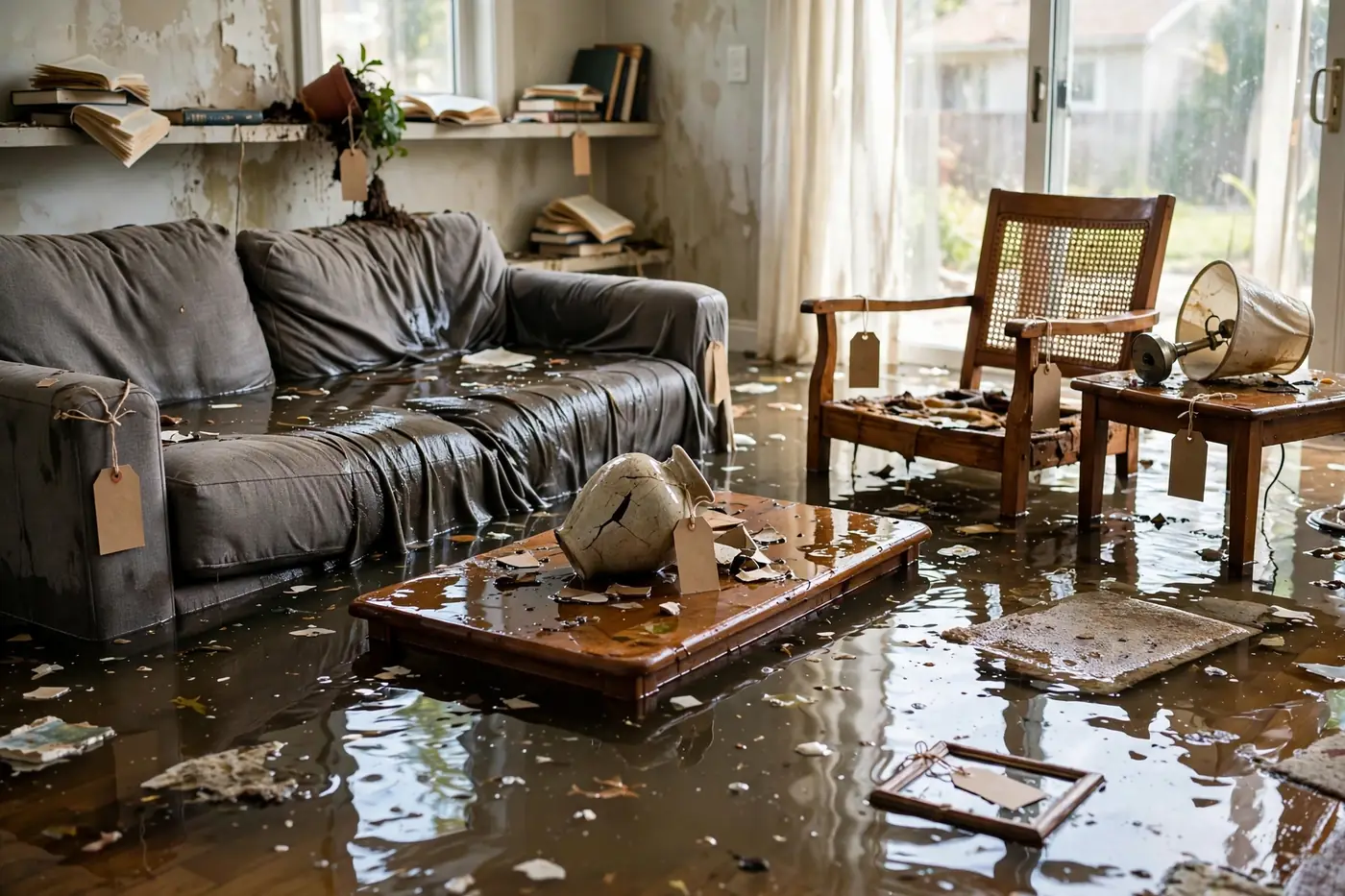
Hurricane Season Water Damage Prep
How to get your Florida home ready before a storm arrives.
Read guideNovember 30 marks the official end of the 2026 Atlantic hurricane season, and it is the natural moment for Florida homeowners to ask one honest question: did my house come through the season dry, or is it carrying damage I have not found yet? An end of season audit takes the guesswork out of that question. It confirms what stayed dry, catches the problems that are still hiding, and puts your documentation in order while the season is fresh in memory and repair schedules are still open in the dry winter weeks ahead.
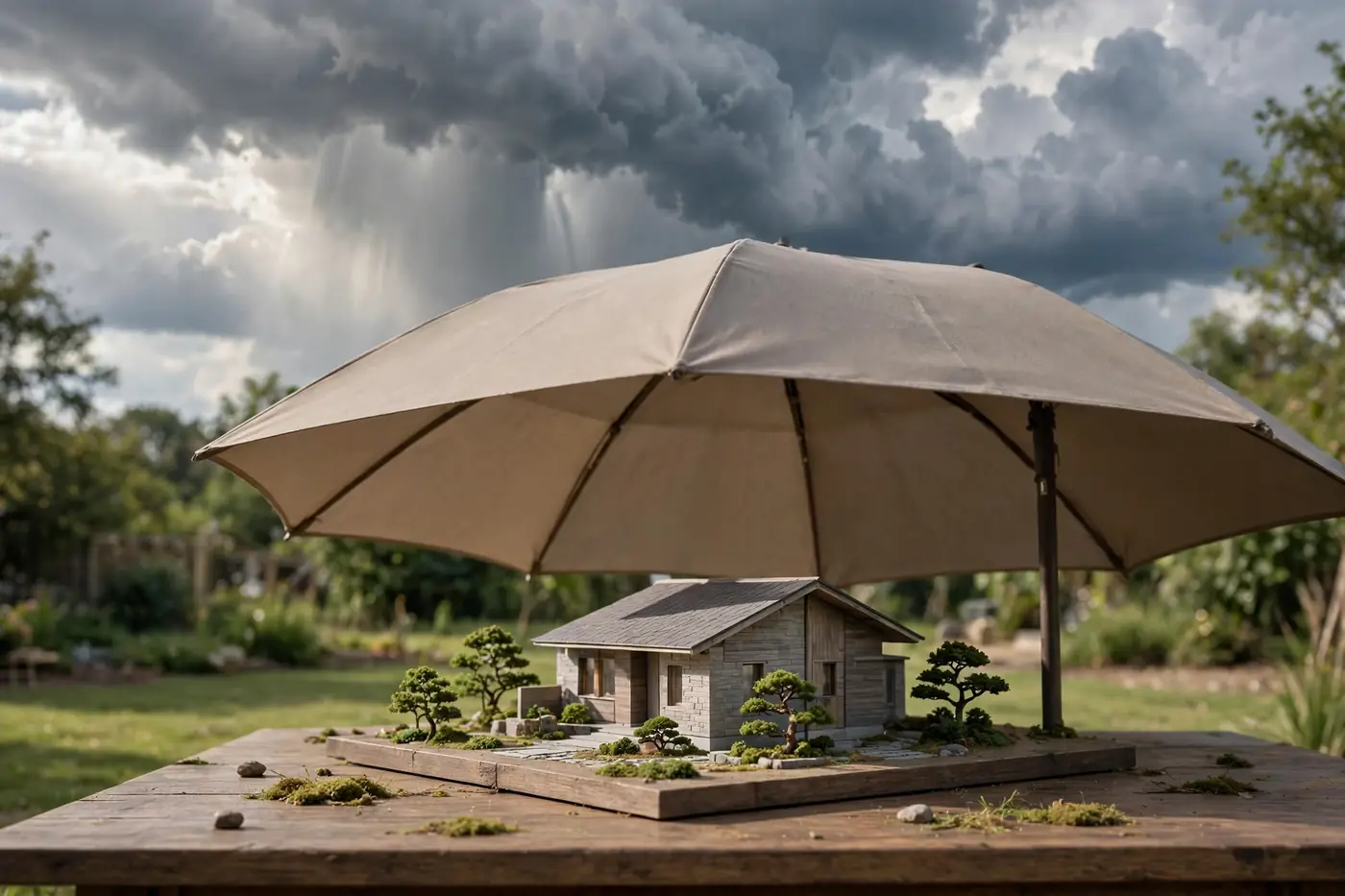
November 30 marks the official end of the 2026 Atlantic hurricane season, and it is the natural moment for Florida homeowners to ask one honest question: did my house come through the season dry, or is it carrying damage I have not found yet? An end of season audit takes the guesswork out of that question. It confirms what stayed dry, catches the problems that are still hiding, and puts your documentation in order while the season is fresh in memory and repair schedules are still open in the dry winter weeks ahead.
Before you inspect anything, gather the paper trail of the season. Think back over every storm, rain event, and leak your home experienced since the summer, and write it down with dates if you can: the rooms affected, what was done about it, and who did the work. Match that list against your photos. If any event was cleaned up without photos, note that too, because the record is thinnest exactly where memory is doing the work.
This inventory serves a practical purpose beyond organization. If you need to talk to your insurer about damage discovered later, a clear timeline of events and responses is far more useful than a vague sense that something happened during one of the storms. The time to build that record is now, while the season is over and details are still recallable, not in February when a stain appears and nobody remembers which event caused it.
Do the audit walk with this question in mind: where would season-long moisture still be sitting? Check ceiling stains in rooms below bathrooms, roof valleys, and attic spaces, and note whether any stain changed since you last looked at it. A stain that is growing, darkening, or weeping means the water problem is active or was never resolved, not historical.
Press baseboards and look at the paint line where walls meet floors, because season long wicking leaves exactly that signature. Walk the flooring slowly and feel for softness, swelling, or lift, especially near exterior doors, in the garage conversion, and around the water heater closet. Open the AC closet and check the drain pan and surrounding floor for dampness or staining, and note any musty odor when the system starts.
Then check the overlooked zones: the attic side of roof penetrations and valleys, insulation that has flattened or stained, crawl spaces and under-sink cabinets, and exterior walls where grading directs rain toward the foundation. December fronts still bring rain, and water that found a path in September will find it again in December unless the path is closed.
The audit will find one of three outcomes. Some of what you find will be nothing: stains that dried long ago, with no active moisture and no odor, which your notes can simply record as resolved and monitored. Some will be small and immediate: a clogged AC drain line, a stiff shutoff valve, a downspout that needs redirecting. Fix those now, while schedules are open.
The third category is the reason this audit exists: anything soft, actively damp, persistently musty, or visibly affected beyond a small surface area. Those items go to professional drying and assessment, because materials that have held moisture since the season need to be verified dry, not assumed dry. Where Florida licensed mold assessment or remediation is part of the answer, that work is arranged with appropriately licensed professionals, with Skyfold coordinating the overall water damage response.
Take the Thanksgiving kitchen into account as you close things out. The holiday week is the hardest working week of the year for kitchen plumbing: dishwasher lines, disposal connections, and ice maker lines under heavy load. Knowing where your kitchen shutoff valves are, and checking for slow drips under the sink before the cooking starts, belongs on the same list as the season audit. A kitchen leak on Thanksgiving week is the least welcome guest of the season.
Florida's winter dry season is when repair and drying work runs smoothest. Rain is less frequent, indoor humidity drops, and schedules are calmer than during storm season. Anything the audit finds is easier to fix well in December than it would be next summer, when humidity fights the drying process and storm season starts resetting the clock.
There is also a records reason to act promptly. Damage documented and addressed within the season it occurred tells a cleaner story for insurance and for any future sale of the home than damage discovered and fixed a year later. Buyers find old water damage in inspections, and a file showing it was found at season end and handled properly is the best answer to have.
Related help: Florida storm-flood guide, flooded property help and first steps, water damage restoration in Brandon, FL.
Close the season knowing your home's real condition. Skyfold Restoration provides water damage inspections, drying, and restoration across all of Florida, 24/7. Call (833) 606-6010 and schedule your end of season check.
A structured once a year walk through of your home after hurricane season ends on November 30, checking the places water from the season would still be hiding, documenting what you find, and addressing anything active or unresolved while dry season conditions make repair work easiest.
If you truly saw nothing all season, a quick walk through is still worthwhile, because some season damage hides well: slow AC drain overflow, minor roof seepage, and grading issues show up in the attic, the closet, and the baseboard line, not in the living room.
Record them with photos and dates, and watch for change. A stain that is stable, dry, and odor free can be monitored. A stain that darkens, grows, or smells is a call for a professional moisture check, not another coat of paint.
The walk and the record keeping are yours to do, and this article is your script. Where the audit finds active dampness, softness, musty odor, or growth, bring in professional drying and assessment to confirm the structure is actually dry.
How to get your Florida home ready before a storm arrives.
Read guideYear-round checklists for Florida homes.
Read guideCatch a failing heater before it floods.
Read guideClose out the season with a documented check of your home. Call now to schedule an end-of-season inspection, or find your city.